
The safest first meetups usually look completely ordinary: a busy café at lunchtime, a friend who knows exactly where you are, and a bus, train or taxi home that you sorted yourself. Good safety tips for meeting someone in person aren’t about expecting the worst from people. They’re about setting things up so that, if anything feels off, leaving is easy and someone already has your back.
This guide works whether you’re meeting a match from a dating app, a potential friend from a group chat, or a friend of a friend you’ve only ever messaged. It’s built as checklists you can run through before, during and after, plus a red-flag table and word-for-word scripts for getting out gracefully. Most of it takes a few minutes, and none of it requires you to treat everyone as a suspect.
The advice draws on official guidance from UK police forces and Australia’s eSafety Commissioner, with notes on what applies in Ireland too.
The most important safety tips for meeting someone in person are to meet somewhere public and busy, tell a trusted friend where you’re going and share your live location, and arrange your own way there and home. Check the person is who they say they are with a short video call first, keep your address private until you genuinely trust them, and leave whenever something feels wrong: you don’t owe anyone an explanation.
Safety tips for meeting someone in person: the core rules
If you only remember a handful of things, make it these. Everything else in this guide builds on them.
- Meet in a public, busy place. Somewhere with staff, other customers and a clear way out. Not their flat, not yours, not a quiet car park.
- Tell a trusted friend. Who you’re meeting, where, when, and roughly when you expect to be done. Share your live location if you’re comfortable doing so.
- Get yourself there and home. Your own transport means you can leave whenever you like, and the other person never learns where you live.
- Check they’re real first. A short video call before meeting catches most fake profiles.
- Leave if you’re uncomfortable. You don’t need a reason that would satisfy anyone else. Feeling uneasy is reason enough.
These rules apply just as much to meeting a new friend as to a first date. Plenty of people relax their guard for ‘just coffee with someone from the book swap’, and most of the time that’s fine. The point of a routine is that it costs nothing when things go well and helps enormously when they don’t.
Where MeetNow fits in. MeetNow is built around plans rather than profiles: a host posts a plan at a real public place, people ask to join with a short note, and the host decides who comes. Accepted guests get a group chat, and afterwards both sides confirm “we met”, which builds a visible track record of who actually turns up. Hosts can also limit who can join by gender or age range and block anyone. It doesn’t do ID or background checks, so the checklists below still apply to every meetup.
Before you meet: the preparation checklist
Most of the useful safety work happens before you leave the house. Run through these in the days leading up to the meetup rather than in a rush on the way out.
Check they are who they say they are
Ask for a short video call before meeting. It doesn’t need to be long or awkward: a few minutes to say hello and confirm the plan is plenty. Our guide to having a video call before meeting in person has lines you can use to suggest it without sounding suspicious. Australia’s eSafety Commissioner flags it as a warning sign if someone’s profile doesn’t match how they act or sound, or if their camera mysteriously ‘doesn’t work’ whenever you ask for a call. If you want to dig deeper, run through our checks for spotting a catfish, such as a reverse image search of their photos.
Screenshot their profile and your messages
eSafety also advises taking screenshots or photos of the person’s profile and your message history before you meet, because if they unmatch or block you, that record can vanish from the app. You’ll very likely never need it. If you do, having it ready makes reporting far simpler. Save the images somewhere easy to find and send a copy to the friend who’s acting as your check-in.
Choose the place, and choose it well
Suggest somewhere you already know: a café you like, a pub with a busy food menu, a market, a gallery, or a popular park in daylight. Good first-meetup spots have staff, other people around, decent mobile signal and easy transport links. Avoid anything that involves being driven somewhere, walking to a secluded spot, or meeting at either person’s home. If the other person pushes hard for a quieter or more private location, treat that as useful information.
Tell a friend and share your live location
Let a friend or family member know where you’re going and when, and consider sharing your live location through your phone’s settings or an app so they can see you’ve arrived and got home safely; this is exactly what eSafety recommends. Our walkthrough on how to share your location with a friend before a date covers the settings on iPhone and Android. Agree a check-in plan: a text when you arrive, a quick ‘all good’ partway through, and a message when you’re home. Agree too what your friend should do if they don’t hear from you.
Send your friend:
- The person’s first name and a screenshot of their profile
- The venue name and area
- The time you’re meeting and roughly when you expect to finish
- A code word that means ‘call me with an excuse’
Sort your own way there and home
Plan your journey both ways before you go. Check the last train or bus if you might stay on, have your taxi or rideshare app logged in, and keep enough money or a charged card for the fare. Politely turn down offers of a lift, even from someone lovely. ‘Thanks, I’ve already sorted it’ is a complete answer.
Keep your main phone number private for a while
Plenty of people in the US use a Google Voice number for dating safety: a second number that forwards to your phone and can be dropped if things go wrong. The catch for readers in the UK, Ireland and Australia is that Google Voice is aimed mainly at US users and generally isn’t available for personal accounts here, so check Google’s own help pages before counting on it. Workable alternatives include keeping the conversation inside the app until you’ve met, using a messaging app that lets you chat by username instead of phone number, or a cheap pay-as-you-go SIM or eSIM that you only use for meeting new people.
Your before-you-go checklist
- Video call done, and they look and sound like their profile
- Screenshots of profile and chat saved and shared with your friend
- Public, busy venue chosen, ideally one you know
- Friend told: who, where, when, check-in times and code word
- Live location shared, if you’re comfortable
- Journey home planned and paid for
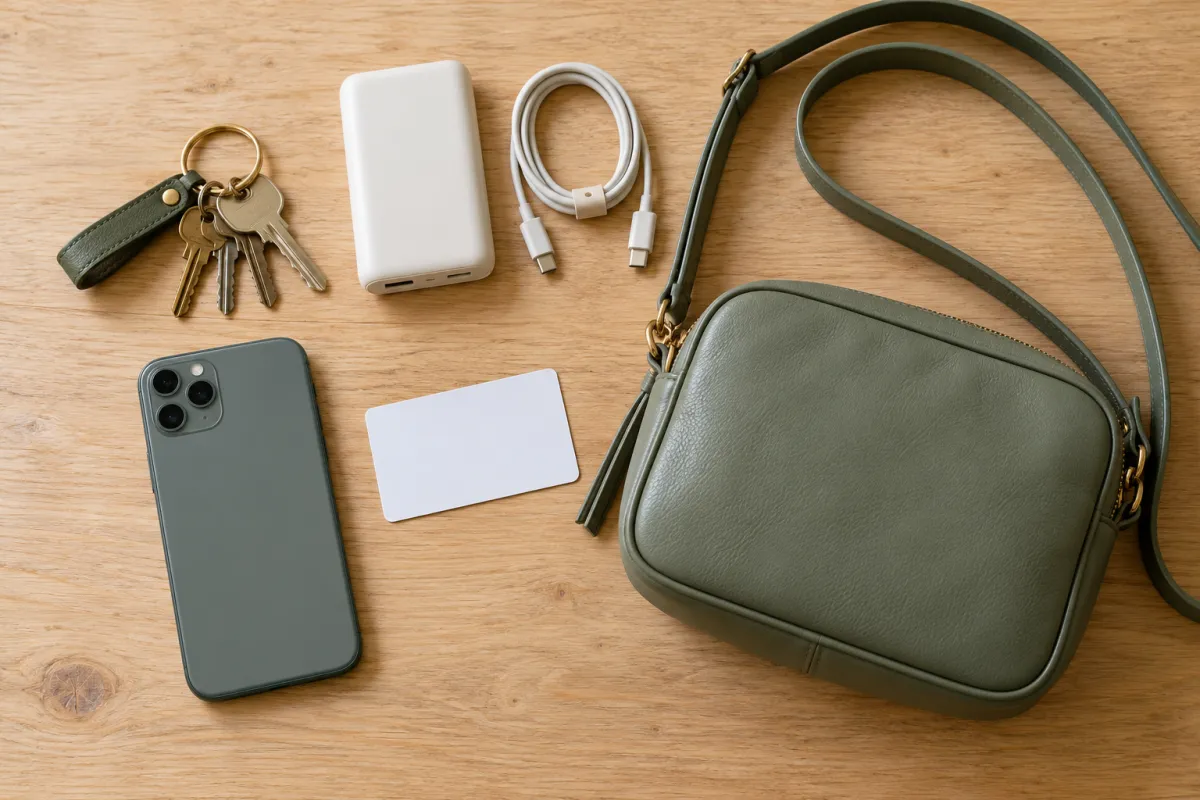
- Phone charged, with a portable charger packed
- Home address, workplace and daily routine kept private
Should you share your address with a new friend?
Short answer: not yet. Should you share your address with a new friend you met through an app or a group? Wait until you’ve met several times, in public, and genuinely feel you know them. That goes for dates and platonic friendships alike. Most people who ask for your address have entirely innocent reasons, such as offering to pick you up or send a card, but an address is the one piece of information you can never take back.
It’s also worth thinking beyond the street name. Your address can leak through details you share without noticing: a photo of the view from your window, a story tagged at your local gym, a mention of ‘the café on my road’, or your work email signature. Before meeting someone new, have a quick look at what your public social profiles give away.
Ways to say no without making it awkward
- ‘I’ll meet you there, it’s easier for me.’
- ‘I’m a bit private about my address until I know people better. Nothing personal!’
- ‘Let’s grab a coffee near the station, it works for both of us.’
Anyone worth getting to know will accept that without fuss. If someone keeps pushing for your address, where you work, or which way you walk home, that persistence is a red flag in its own right.
During the meetup: the in-person checklist
Once you’ve arrived, the aim is simple: enjoy yourself while keeping a light hold on a few basics.
- Text your friend when you arrive, as agreed
- Keep your drink with you; if you leave it unattended, order a fresh one
- Drink at a pace where you feel fully in control, or stick to soft drinks
- Keep your bag, phone and keys on you, not hanging out of sight on the back of a chair
- Sit where you can see the exit and reach it easily
- Send your midway check-in
- Stay in the public venue you agreed on
- Notice how you feel, not just what they’re saying
When they suggest moving on
A second location can be lovely when things are going well, but it’s also where plans tend to drift from public to private. If you’re happy to carry on, choose the next place yourself, keep it public, update your friend and keep your own transport plan intact. ‘Back to mine for a drink’, a drive somewhere ‘quieter’ or a walk away from busy streets can all wait for a future meetup when you know the person better. ‘Let’s do that another time’ is a perfectly reasonable reply.
Trust the uneasy feeling
You don’t need hard evidence to decide something’s off. eSafety’s guidance is to trust your instincts and not to meet if you feel pressured, and that applies just as much once you’re face to face. If you feel pushed, talked over or quietly uncomfortable, you’re allowed to wrap things up early, even if you can’t put your finger on why.
Red flags: what you might notice and what to do
One small oddity rarely means danger, but patterns matter. Use this table as a quick reference before and during the meetup.
| What you notice | Why it matters | What to do |
|---|---|---|
| They avoid a video call or their camera is always ‘broken’ | A classic sign of a fake profile | Don’t meet until you’ve seen them live on camera |
| They look or sound noticeably different from their photos | The profile may be fake or badly out of date | Trust what you see; end things politely if you’re uneasy |
| They push for your address, workplace or routine | They’re gathering information you haven’t offered | Deflect once; if they push again, leave |
| They insist on picking you up or driving you home | It removes your control over when and how you leave | Decline and use your own transport |
| They try to move you somewhere private or isolated | It takes you away from staff and other people | Stay where you are or end the meetup |
| They keep buying rounds or pressure you to drink more | It affects your judgement and your ability to leave | Switch to soft drinks and keep hold of your own glass |
| They ignore a clear ‘no’ on small things | Boundaries rarely improve on bigger things | Wrap up; you don’t owe a second chance |
| They get angry or sulky when you mention leaving | It’s an attempt to guilt you into staying | Leave anyway, and ask staff for help if needed |
| They bring up money troubles or ask for a loan | A common pattern in romance and friendship scams | Never send money; screenshot and report |
| Their story about work, family or location keeps changing | It can point to a false identity | Keep things public and consider ending it |
Scripts to leave: polite, firm and emergency options
Having the words ready is half the battle. Pick a couple that sound like you and rehearse them in your head. For more variations, see our guide on how to leave a bad date politely; most of the lines work just as well for a friend meetup that isn’t clicking.
Polite exits (when it’s just not a match)
- ‘It’s been really nice meeting you, but I’m going to head off.’
- ‘I’ve got an early start, so I’ll call it there. Thanks for coming out.’
- ‘I don’t think we’re quite a match, but I really appreciate you meeting up.’
Firm exits (when something feels wrong)
- ‘I’m leaving. Please don’t follow me.’
- ‘No, thank you. I’m making my own way home.’
- ‘I’m not comfortable with that, so I’m going.’
You don’t have to soften firm exits or apologise for them. Head towards staff or the busiest part of the venue, and text your friend once you’re out.
The fake emergency call to leave a date
A fake emergency call to leave a date is an old trick for a reason: it lets you exit without a confrontation. The most reliable version isn’t entirely fake. Arrange beforehand for your friend to ring you at an agreed point, or as soon as you text your code word. If you answer and say you’re fine, they ring off. If you say something like ‘Oh no, is she okay?’, they play along and you have your way out. Keep the excuse vague and believable, such as ‘my flatmate’s locked out’ or ‘family thing, I have to go’. Some phone apps can schedule a pretend incoming call, but a real friend on the other end is better, because they also know you might need help.
Is it a little dishonest? Yes. If the meetup is merely dull, a polite, honest line is kinder. Save the call for times when you feel uncomfortable and would rather not explain yourself to someone you’ve only just met.
Ask for Angela (UK and Ireland)
Ask for Angela is a safeguarding scheme run by many licensed venues in the UK, and by some in Ireland, to help people on a first date or meeting someone from online leave an unsafe or uncomfortable situation discreetly, as the Metropolitan Police explains. You go to the bar or a member of staff and ask for ‘Angela’. It’s a coded signal that you need help, and Merseyside Police notes that staff can help reunite you with friends, call you a taxi or walk you to it, give you a safe private space, or call venue security or the police. Staff are often trained through WAVE (Welfare And Vulnerability Engagement). Not every venue takes part, so look for the posters, often in the toilets, when you arrive. Outside the UK and Ireland, or if you don’t see a poster, simply tell staff plainly that you feel unsafe. Our full guide on how Ask for Angela works covers the details.
If you’re in immediate danger
If you’re in the UK and feel physically threatened, call 999 as UK police advise (Metropolitan Police). In Ireland or Australia, call your local emergency number. Don’t worry about overreacting: that’s exactly what emergency services are there for.
After the meetup: the follow-up checklist
- Text your friend once you’re home safely, as agreed
- Turn off live location sharing if you only switched it on for the meetup
- Check in with yourself: how did it actually feel, not just how did it look?
- Reply in your own time; you don’t owe anyone a second meetup
- If it wasn’t a match, a short, kind message is enough
- Keep your screenshots until you’re sure you won’t need them
If something went wrong
Report the person on the app or platform where you met. In the UK, call 101 for non-emergency advice or to report an incident after the fact (Metropolitan Police). In Ireland, contact your local Garda station. In Australia, if you experience harassment, threats or image-based abuse, such as someone threatening to share intimate images, you can report it beyond the platform through eSafety’s reporting service. This is where the screenshots you saved earlier earn their keep. Talk to someone you trust as well: an unsettling meetup can stay with you, and you don’t have to process it alone.
If they keep messaging after you’ve said no
Say it once, clearly: ‘I enjoyed meeting you, but I don’t want to meet again. Take care.’ Then stop replying, block them if needed and keep a record. Continued contact after a clear no is something you can report.
Meeting new friends and groups: what changes
Meeting a potential friend or joining a group feels lower stakes than a date, and usually it is. A group gives you natural cover: there are other people around, conversation keeps moving and slipping away early is easy. The basics don’t change, though. Meet in public, tell someone where you’ll be, keep your own transport and don’t hand your address to people you met an hour ago, however friendly the group is.
A few things are specific to groups. Check who’s organising and whether the plan is at a real public venue. Be wary if a ‘group’ meetup turns out to be just you and the organiser, or suddenly moves to someone’s home. If you’re hosting, you’re responsible for choosing a sensible location and setting the tone; our group meetup safety checklist for guests and hosts covers both roles in detail.
For one-to-one friendship meetups, every checklist in this guide applies. Being clear from the start that you’re looking for friends, not a date, helps both of you relax and makes any later conversation about boundaries much easier.
Want to turn this into an actual plan? MeetNow is a free app for meeting people in person: a host posts a plan at a public place, says who pays (host pays, split, pay your own or free) and picks who joins. It is live on the web and works in your browser, starting in Malta. The Android app is on Google Play; the iPhone app is not in the App Store yet. Open MeetNow and see the plans posted in Malta.
Frequently asked questions
What are the most important safety tips for meeting someone in person?
Meet in a busy public place, tell a trusted friend who you’re meeting and where, share your live location if you’re comfortable, and arrange your own transport both ways. Check the person is real with a short video call first, and leave whenever you feel uncomfortable. These basics apply to dates, new friends and group meetups alike.
Should you share your address with a new friend?
Not until you’ve met several times in public and genuinely trust them. Meet at the venue rather than accepting lifts, and check your social media isn’t revealing your address through photos or location tags. Anyone worth knowing will respect that boundary without fuss.
Can I use a Google Voice number for dating safety in the UK, Ireland or Australia?
Google Voice is aimed mainly at US users and generally isn’t available for personal accounts in the UK, Ireland or Australia, so check Google’s help pages for your country. Good alternatives are keeping the chat inside the app until you’ve met, using a messaging app that works by username, or a cheap pay-as-you-go SIM or eSIM used only for meeting new people.
Is a fake emergency call to leave a date rude?
It’s a small white lie, and it’s absolutely fine when you feel uncomfortable and want to avoid a confrontation. If the meetup is simply dull, a polite, honest exit line is kinder. The most reliable version is a friend who rings at an agreed point or when you text a code word.
Does Ask for Angela work everywhere?
No. It’s used by many licensed venues in the UK and some in Ireland, but not every venue takes part, so look for the posters when you arrive. Elsewhere, or if you can’t see a poster, tell staff directly that you feel unsafe and ask them for help.
What should I do if someone harasses me after we meet?
Say no clearly once, stop replying, block them and keep screenshots. Report them on the platform where you met. In the UK, contact the police on the non-emergency line, or the emergency number if you’re in danger; in Ireland, contact your local Garda station; in Australia, you can report harassment and image-based abuse through eSafety.