Is it safe to meet a stranger at night? It can be done safely, but it is not where UK police suggest you start. Their guidance for a first meeting with someone new is daylight, a busy public place and your own way there and back, with evenings saved for once you have a feel for the person. That holds whether the stranger is a match from a dating app, a possible new friend from a group chat or a friend of a friend you have only messaged.
Real life does not always fit neatly around that advice. In a British or Irish winter it can be dark before most people finish work, shift workers may only have evenings free, and a relaxed after-work coffee can easily end after sunset. None of that means you have to cancel. It means you plan a little more deliberately.
Below you will find why daylight is the sensible default, then before, during and after checklists, a comparison of Find My and Life360 for sharing your location, a red-flag table and word-for-word scripts to leave, so an evening meetup feels calm rather than risky.
Is it safe to meet a stranger at night? The honest answer
Darkness does not make a person more dangerous, but it does shrink your safety margin. Streets are quieter, there are fewer people around who would notice if something felt wrong, alcohol is more likely to be on the table, public transport thins out, and walking away is less appealing when the route home is dark and unfamiliar. Each of those is manageable on its own. Together, they are why police treat daylight as the default for a first meeting.
Police Scotland puts it plainly: arranging first-time meetings during daylight hours ‘adds an extra layer of visibility and safety’, ideally at a busy location such as a coffee shop, restaurant or bar with plenty of other people around (Police Scotland). The thinking is simple. A first meeting is a short evaluation: a chance to check that the person matches their profile and that you actually enjoy their company, before you consider an evening setting.
So, is it safe to meet a stranger at night? A daylight first meeting is safer, and an evening one is reasonable only if you deliberately rebuild the margin that darkness takes away. That means a busier venue, a friend who knows exactly where you are, location sharing, transport you control and a firm end time.
Daylight versus evening at a glance
| Factor | Daylight first meeting | Evening first meeting | How to close the gap |
|---|---|---|---|
| People around | Busy streets and venues | Quieter streets; venues can empty out | Pick somewhere reliably busy at that hour |
| Getting home | Full transport options | Fewer services, longer waits | Check your last train or bus and budget for a licensed taxi |
| Alcohol | Easy to keep it to coffee | Drinks more likely | Set your limit beforehand, or choose a café or dessert spot |
| Leaving early | Easy to walk off | Less tempting in the dark | Agree an end time and plan the route first |
| Knowing the area | You can see where you are | Familiar streets feel different | Choose a place you already know well |
Easy ways to keep the first meeting in daylight
- A weekend brunch or late-morning coffee.
- A lunchtime walk through a busy park, then a hot drink at a kiosk.
- A Saturday market, gallery or bookshop café, where there is something to look at besides each other.
- In summer, an early-evening drink while the light lasts, finishing before dark.
If the first meeting goes well, the evening dinner can be the second meeting, when you already know who you are dealing with.
Plans with safety built in. MeetNow, a free app coming soon to the App Store and Google Play, is built around plans rather than profiles: a host posts a plan at a real public place with a set time and number of seats, picks who joins, and afterwards both sides confirm “we met”, which builds a visible track record of who actually turns up. Hosts can also limit who can join by gender or age range and block anyone.
Before you go: evening meetup checklist
Most of the safety work happens before you leave the house. Run through this list the day before the meetup, and again an hour or so before you set off.
- Do a video call first. A short video call before meeting in person confirms the person looks and sounds like their profile. Anyone who keeps dodging one is telling you something.
- Pick a venue you know. Choose somewhere busy at the time you are meeting, with staff on the floor, good lighting outside and a bus stop, station or taxi rank close by. A lovely café that closes early is no use for an evening meeting, so check opening hours.
- Keep it early and set an end point. An early evening slot beats a late one. Mention your finish upfront so leaving later feels natural: ‘I can do an early drink, but I have an early start so I’ll head off after that.’
- Tell a friend the details. Crime prevention guidance is to give someone you trust the person’s profile details, the venue name, the meeting time and a prearranged check-in time, and to update them immediately if plans change or you move somewhere else.
- Set up location sharing. Our step-by-step guide to sharing your location with a friend before a date works just as well for friendship and group meetups.
- Plan your own transport both ways. Drive, use scheduled public transport or book a licensed taxi, and do not accept a lift from a stranger or let them pick you up from home (Police Scotland). Look up your last train or bus home before you go.
- Keep your address and routine private. Australia’s eSafety Commissioner advises keeping conversations on the app or platform until trust is built in person, and not sharing personal identifiers such as your workplace, home address, regular routine or financial details.
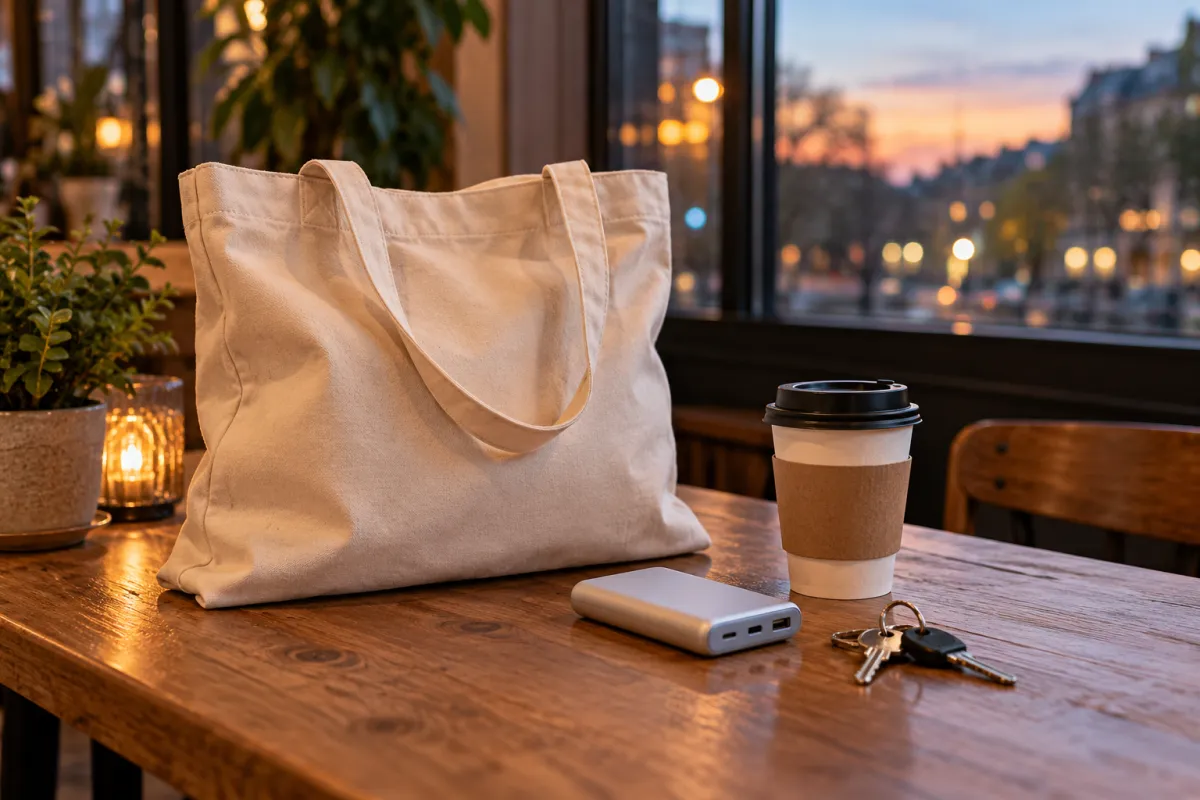
- Charge everything. Take a fully charged phone, a small power bank and a card or some cash for a taxi in case your phone dies.
- Decide your drink limit in advance. It is far easier to stick to a decision you made at home than one you make three rounds in.
- Agree a code word. Pick a phrase with your friend that means ‘ring me with an excuse’ or ‘come and get me’, so you can ask for help in a normal-looking text.
Find My vs Life360 for meetup safety
Location sharing is only as useful as the person watching it. Before choosing an app, ask yourself two questions: who will actually check on me, and what phone do they use? The comparison of Find My vs Life360 for meetup safety mostly comes down to those answers.
| Find My (Apple) | Life360 | Google Maps location sharing | |
|---|---|---|---|
| Works on | iPhone and other Apple devices | iPhone and Android | iPhone and Android |
| What your friend needs | An Apple device | The Life360 app and an invitation to your Circle | A Google account and Google Maps |
| Setup effort | Built in; a few taps | Install, create an account, invite | Built in on most Android phones; quick on iPhone |
| Best for | Two iPhone users | People who already use it with family or housemates | Mixed phones and one-off sharing |
| Worth knowing | Easy to forget you are still sharing afterwards | Designed for ongoing sharing; some features sit behind a paid plan | You can choose to share for a limited time |
Which one should you use?
For a one-off meetup, the best app is the one your trusted friend already has and checks. If you both have iPhones, Find My is the simplest option. If one of you is on Android, Google Maps location sharing is quick and can be set to switch itself off. Life360 suits people who already share with family; installing a full family-tracking app just for one evening is often more than you need.
Recent versions of iOS also include Check In in Messages, which lets a chosen contact know when you have got home and alerts them if you do not respond as expected. It pairs well with location sharing on the journey back.
Whichever you pick, test it before you leave, use time-limited sharing where you can and switch it off once you are home. Location sharing is a backup, not a replacement for telling someone the plan in words.
During the meetup: staying in control after dark
Once you arrive, the goal is simple: keep your options open and stay where people can see you.
- Arrive on your own terms. Get there on time or a little early, and choose a seat near staff or with a view of the door.
- Buy your own drinks. Watch them being poured and never leave them unattended. If a drink tastes odd, stop drinking it and tell a member of staff.
- Stay where you said you would be. If you decide to move on, text your friend the new venue name before you leave, not after.
- Do your check-in, even if it is going brilliantly. Your friend cannot tell ‘having fun’ from ‘in trouble’ if you go quiet.
- Keep your phone and bag with you. Not on the back of a chair, and not left at the table while you pop to the loo.
- Do not go back to their place or invite them to yours. However well it is going, the first meeting ends in public.
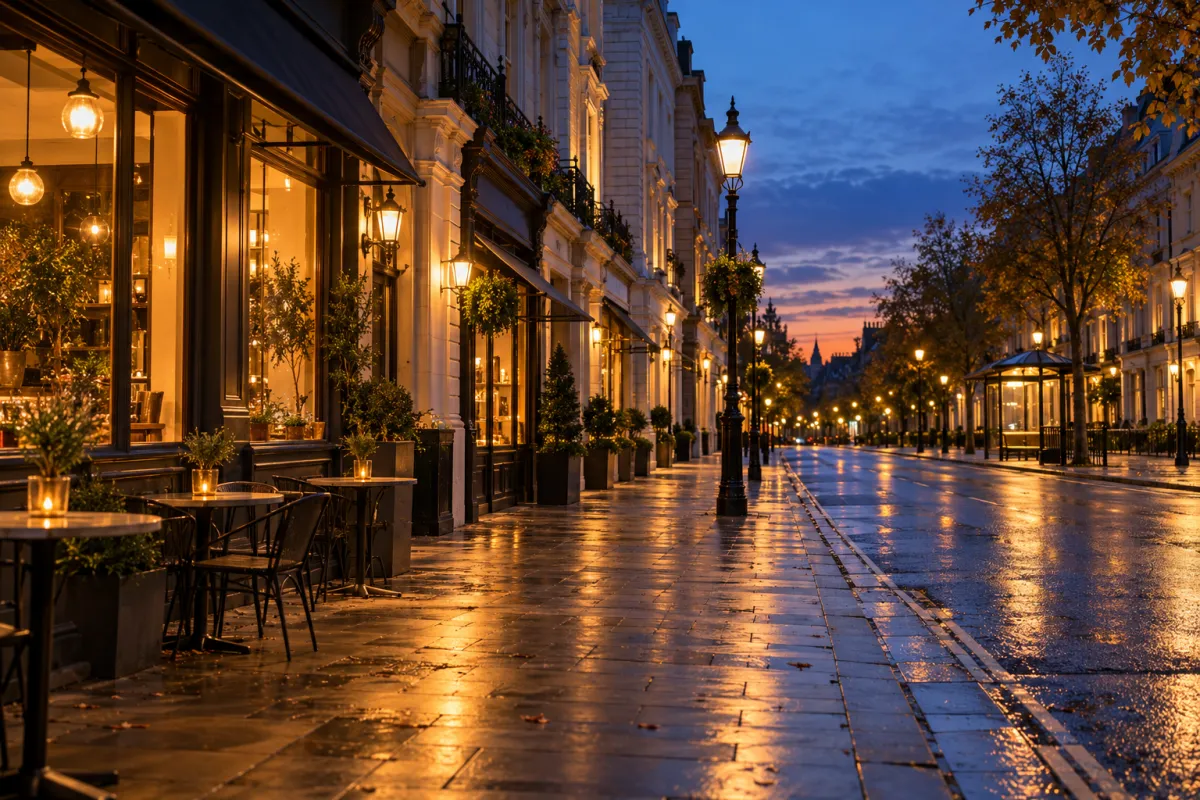
- Stick to busy, well-lit streets. If you walk anywhere, choose main roads over shortcuts.
- Respect your own end time. Staying longer is a choice, never an obligation.
Red flags to watch for in the evening
Most people you meet will be exactly who they said they were. But in the evening, a few behaviours deserve extra attention because they chip away at the safety margin you planned. For a longer list, see our guide to red flags on a first date.
| Red flag | Why it matters | What to do |
|---|---|---|
| Pushes to move somewhere quieter, or to their place | Takes you away from staff, witnesses and your plan | Decline and stay put; leave if they keep pushing |
| Insists on picking you up or driving you home | Removes your control over getting home and reveals your address | ‘Thanks, I’ve sorted my own way home.’ |
| Asks where you live or which route you take home | Personal details you do not need to share yet | Keep it vague: ‘Not far from here.’ |
| Keeps buying rounds or pressures you to drink more | Lowers your judgement and makes leaving harder | Switch to soft drinks; leave if they argue |
| Gets irritated when you check your phone or mention a friend | Suggests they dislike you having a safety net | Check in anyway; treat it as a reason to wrap up |
| Looks different from their photos or refused a video call | Possible catfish or deliberate deception | You can leave straight away; you owe no explanation |
| Tries to separate you from a group | Isolation is a warning sign in any setting | Stay with the group or a member of staff |
| Ignores you when you say you are leaving | Disregard for a clear boundary | Repeat once, then go; ask staff for help if needed |
Scripts to leave, and what to do if you feel unsafe
Leaving is easier when the words are already in your head. You do not need a perfect reason. Our guide on how to leave a bad date politely has more exit plans; here are the ones that suit an evening meetup.
Polite exits
- ‘This has been really nice, but I’m going to head off now. Early start.’
- ‘I told my friend I’d be home at a sensible hour, so I’ll make a move.’
- ‘I’ve enjoyed this. I’m going to grab my train while it’s still running.’
Firm exits
- ‘I don’t think we’re a match, so I’m going to call it a night. Take care.’
- ‘Thanks, but I’ve already sorted my way home.’ (Use this every time a lift is offered.)
- ‘I’ve decided. I’m going now.’ Say it once, calmly, and stand up.
If you feel unsafe: Ask for Angela
In participating licensed venues such as pubs, bars and restaurants, you can approach a bartender, door supervisor or manager and ‘Ask for Angela’ if a date or new acquaintance makes you feel unsafe (Metropolitan Police). Venues typically train staff through WAVE (Welfare and Vulnerability Engagement), and staff can discreetly move you somewhere safe, call you a licensed taxi, reunite you with friends, ask the other person to leave or involve security or police. It only works where venues have signed up, mainly in the UK and Ireland, so look for posters in the toilets or by the bar. In Australia, and anywhere you have not seen it advertised, do not rely on the code word; simply go straight to staff or security. Our full explainer on how Ask for Angela works covers the details.
If you are in danger and cannot speak
In the UK, if you call 999 from a mobile, cannot speak and are prompted by the automated system, pressing 55 connects you to the police through the Silent Solution service (Police.uk). This is a UK system. In Ireland and Australia, call your local emergency number and follow the operator’s instructions.
Meeting new friends safely as a woman
Most safety advice is written for dates, but meeting new friends safely as a woman deserves the same care: the friend of a friend, the woman from the running club group chat, the person you clicked with in an online community. A friendship label can make people drop their guard, and the basics do not change: public place, tell a friend, your own way home, leave if you feel uncomfortable.
- Start with a group or an activity. A class, a walk, a quiz or a market gives you other people around and a natural end point.
- Choose women-only plans if you prefer. Plenty of groups and hosts offer them, and there is nothing awkward about picking one.
- Keep the same privacy rules. Your address, workplace and routine can wait, even if the person seems lovely and is another woman.
- Do not over-explain. ‘I’m going to head off’ is a complete sentence. Being nice is not the same as staying.
- Check in with yourself halfway through. Ask: do I feel relaxed, and would I happily see this person again in daylight? If not, wrap up.
Many of the scripts in our first date safety checklist for women work equally well for platonic meetups, especially the ones for turning down lifts and moving on from pushy questions.
After: getting home and checking in
The meetup is not over until you are home and your friend knows it.
- Travel the route you planned. Do not let them walk you to your door or wait with you outside your home.
- Send your ‘home safe’ message. Agree beforehand what your friend should do if it does not arrive.
- Switch off location sharing. Stop the share, or let the timer run out, once you are in.
- Reflect before replying. You are under no obligation to meet again, and a polite ‘it was nice to meet you, but I don’t think we’re a match’ is enough.
- Block and report if needed. If someone keeps messaging after a clear no, block them and report them on the platform where you met.
- Report anything that worried you. You can contact police through their non-emergency channels or online, even if nothing went badly wrong.
Next time the question comes up of whether it is safe to meet a stranger at night, the easiest answer is often to move the first meeting into daylight and save the evening for round two.
Want to turn this into an actual plan? MeetNow is a free app for meeting people in person: a host posts a plan at a public place, says who pays (host pays, split, pay your own or free) and picks who joins. It is launching in Malta first and is not in the App Store or Google Play yet: join the MeetNow waitlist and we’ll email you when it launches near you.
FAQ
Is it safe to meet a stranger at night for a first date?
It can be, but police advise meeting someone new for the first time in daylight, somewhere busy and public. If an evening first date is unavoidable, choose a busy venue you know, tell a friend the details and a check-in time, share your location, make your own way there and back, and keep it short.
What time of day is best for meeting someone new?
Daytime is best for a first meeting. A weekend brunch, a lunchtime walk or an early-evening drink in summer while it is still light all give you visibility, busy surroundings and plenty of transport options home.
Is Find My or Life360 better for meetup safety?
Use whichever your trusted friend already has and checks. Find My is simplest if you both have iPhones. Life360 works across iPhone and Android but is designed for ongoing family sharing. For mixed phones and one-off meetups, Google Maps location sharing with a time limit is often the easiest option.
Does Ask for Angela work in Australia?
Ask for Angela is mainly a UK and Ireland scheme and only works in venues that have signed up. In Australia, or anywhere you have not seen it advertised, do not rely on the code word; go straight to bar staff, a manager or security and tell them you feel unsafe.
What should I do if I feel unsafe and cannot speak on the phone?
In the UK, call 999 from a mobile and, if you cannot speak and the automated system prompts you, press 55 to be connected to police through the Silent Solution service. In Ireland and Australia, call your local emergency number and follow the operator’s instructions.
Is it safer to meet a new friend in the evening as part of a group?
A group in a public place usually feels safer than a one-to-one, because there are more people around and a natural end point. The same rules still apply: tell a friend where you are going, get yourself there and home, and leave whenever you feel uncomfortable.