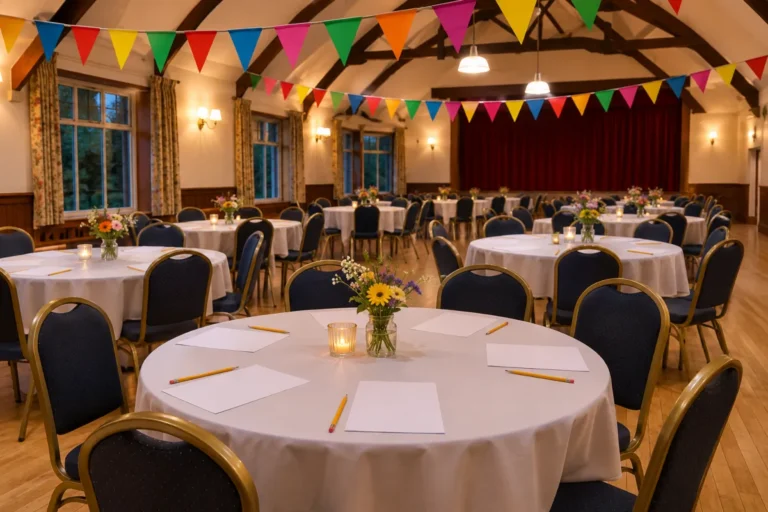
The short answer: how early should you arrive to meet someone? For most one-to-one plans, five to ten minutes early is the sweet spot. It gives you time to find the place, choose a table and settle your nerves, without making the other person feel late or leaving you waiting awkwardly for ages. The big exception is anything in someone’s home, where arriving early can catch the host mid-preparation: aim for on time or a few minutes after.
This guide covers how early to arrive for each common situation, when early is actually unhelpful, what to do with the extra minutes, what to text once you are there and how long to wait if they are late. It is written for the UK, Ireland and Australia, for friends, groups and dates alike.
- First meetup or date at a café or pub: 5 to 10 minutes early.
- Restaurant booking: 5 minutes early, so you are seated on time.
- Group meetup or class: 5 to 15 minutes early, especially if you are new.
- Tickets, film or show: 15 to 30 minutes early, depending on queues.
- House party or dinner at someone’s home: on time to about 15 minutes late.
Why a few minutes early is ideal
Arriving slightly early does more than show you are reliable. It gives you a small but useful head start:
- You find the place calmly. Entrances, building numbers and “which café on this corner?” are far less stressful with a buffer.
- You choose where to sit. A table with a view of the door, away from the toilets and loud speakers, makes the first few minutes easier.
- You settle your nerves. A couple of quiet minutes, a glass of water and a slow breath help more than rushing in flustered.
- You absorb small delays. A late bus or a queue at the bar does not turn into you being late.
For first meetups in particular, being there first can also feel safer. You see the venue, check it is busy and public, and know where the exits and staff are. If you have not chosen a spot yet, our list of public places to meet someone for the first time has good options.

How early should you arrive to meet someone: by situation
| Situation | Aim to arrive | Why |
|---|---|---|
| Coffee or drink with someone new | 5 to 10 minutes early | Find the place, grab a table, settle in |
| First date | 5 to 10 minutes early | Calm nerves; avoid a rushed entrance |
| Meeting a friend you know well | On time, give or take a few minutes | Norms are already set between you |
| Restaurant reservation | About 5 minutes early | Tables are often held for a short time only |
| Group meetup, class or club | 5 to 15 minutes early | Easier to say hello before the group forms |
| Meeting at a station or landmark | 5 minutes early | The other person can find you easily |
| Film, gig or show with tickets | 15 to 30 minutes early | Queues, security and finding seats |
| House party | On time to about 15 minutes late | Hosts often need the final minutes to prepare |
| Dinner at someone’s home | On time, or up to 10 minutes late | Early arrivals interrupt the cooking |
If you are going to a group event on your own, arriving early is especially helpful: it is much easier to chat with two or three people than to walk into a crowd that has already formed. Our guide to going to a meetup alone has more on that first five minutes.
When early is too early
There is such a thing as too keen. Arriving 30 minutes early to meet one person usually means:
- You sit alone longer than you need to, getting more nervous rather than less.
- The other person may feel they are late, even if they are bang on time.
- At a restaurant, your table may not be ready.
- At someone’s home, you catch them half-dressed, mid-hoover or with the oven open.
If you are ahead of schedule, wait nearby: walk round the block, browse a shop or sit somewhere else for ten minutes. Then walk in at the five-to-ten-minute mark. If you have offered to help a host set up, agree a specific earlier time with them instead.
Plan backwards from the meeting time
The simplest way to land in the five-to-ten-minute window is to plan backwards. Check the journey on a travel app the day before, add the time it takes to park or walk from the stop, then add a buffer for the unexpected: around ten minutes for a short trip across town, and closer to twenty if you are relying on a train connection, rush-hour roads or weekend engineering works. If you arrive with time to spare, that is what the walk round the block is for.
It also helps to save the venue’s exact address and a photo of the entrance, and to agree a clear meeting point in advance (“inside, at the bar” or “outside the main doors”). Most of the stress of meeting someone new comes from small unknowns, and every one you remove before you set off makes the first hello easier.
What to do while you wait
- Pick a good seat. Somewhere you can see the door and they can see you.
- Order water, or wait to order. For a first meetup, ordering a full meal before they arrive can feel off. A drink is fine.
- Put your phone away when they are due. Looking up and smiling as they arrive is a far better first impression than glancing up from a screen.
- Do a quick check: coat off, bag tucked away, and a mental note of two things you would like to ask them.
- Breathe. A few slow breaths, with a longer out-breath, can take the edge off nerves.
Unsure what to wear for a first meetup? Our guide to what to wear to a meetup for the first time keeps it simple.

What to text when you arrive
A short message helps the other person find you and takes the pressure off. Send it close to the agreed time, not 20 minutes before, so it does not read as “hurry up”.
- “I’m here! Got a table by the window. No rush.”
- “Just arrived, I’m at the bar in a green jacket.”
- “Here a bit early, so I’ll grab us a table upstairs. See you soon.”
- “I’m by the main entrance next to the bike racks.”
If they’re late (or you are)
If they are late: around 15 minutes is a reasonable wait without any message. If they have told you they are running late, wait as long as feels comfortable and send a friendly check-in after 15 to 20 minutes: “Just checking you’re OK? I’m still here.” For a fuller answer on where the line sits, see our guide on how late is too late for a date.
If you are late: message as soon as you know, with a realistic arrival time, and apologise once when you arrive. Our list of ways to apologise for being late has texts for every situation. If you realise you cannot make it at all, our guide to last minute cancellation etiquette covers what to say.
Clear plans make punctuality easier for everyone. When a plan has a fixed place, a start time and a small, known group, nobody has to guess. That is how MeetNow, our own app, works: a host posts a plan at a public place with a date, time and number of seats, people ask to join with a short note and the host picks who comes. Accepted guests get a group chat, which is handy for “I’m here, table by the window” messages.
Want to turn this into an actual plan? MeetNow is a free app for meeting people in person: a host posts a plan at a public place, says who pays (host pays, split, pay your own or free) and picks who joins. It is live on the web now, starting in Malta: open MeetNow and see the plans near you.
Frequently asked questions (FAQ)
How early should you arrive to meet someone for the first time?
Five to ten minutes early is ideal. It gives you time to find the place, get settled and calm any nerves without making the other person feel late.
Is arriving 30 minutes early too early?
For meeting a person, yes. Arrive nearby if you like, but wait somewhere else and walk in five to ten minutes before the agreed time.
Should you arrive early to a house party?
No. Hosts are often still getting ready. Arrive on time or up to about 15 minutes after the start, unless you have offered to help set up.
Should I tell them I’m already there?
A short, relaxed message helps them find you, for example “Got a table by the window, no rush.” Send it close to the agreed time, not 20 minutes before.
How long should I wait if they are late?
Around 15 minutes is reasonable without a message. If they have told you they are running late, wait as long as feels comfortable, and send a friendly check-in after 15 to 20 minutes.