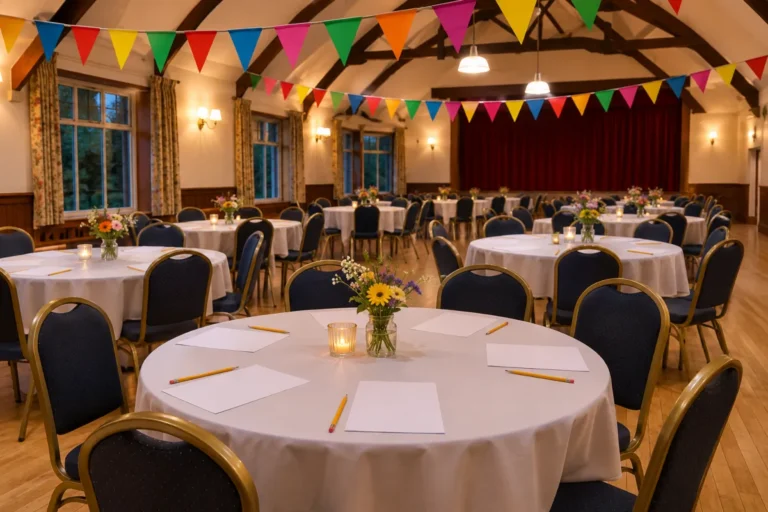
The short answer: going to a meetup alone is completely normal: at most meetups for new people, a good share of the room has come on their own too. Pick a small, structured event, arrive close to the start time, introduce yourself to the host first, and use one or two ready-made lines to join a conversation. Give yourself a “stay for 45 minutes” deal, leave politely when you’re ready, and go easy on yourself afterwards. Below you’ll find a checklist, word-for-word scripts and a four-week plan to make it easier each time.
If your stomach drops at the thought of walking into a room full of strangers, you’re in good company. Fear of meeting new people is one of the most common reasons people say yes to an event and then stay at home. The good news: the hardest moment is usually the first five minutes, and you can plan those in advance.
Why going alone is easier than it sounds
- Most people are thinking about themselves. Everyone new is busy worrying about their own first impression. Very few are judging yours.
- Solo people are easier to talk to. A pair of friends deep in conversation is a closed circle. Someone on their own is approachable, and other solo people will often head straight for you.
- Hosts want you there. A good organiser’s main job is welcoming new faces. Let them do it.
- You can leave whenever you like. Going alone means nobody is waiting on you. You’re in charge of when you arrive and when you go.
Choose the right first meetup
Not all events are equally friendly to a first-timer on their own. For your first few, look for:
- Small groups. Six to fifteen people is far easier than a packed bar of fifty.
- Built-in activity. A walk, run, quiz, board games, a class or a book club gives you something to do with your hands and something to talk about. Our guide to icebreaker games for adults shows how good hosts use structure to get people talking.
- A named host. Events with an organiser who greets people are much easier than “turn up and find us”.
- Regular dates. A weekly or monthly group means you’ll see the same faces again, which is how acquaintances turn into friends.
- “Newcomers welcome” in the description. It tells you other people will be new too.
- A public, central venue you can get to and from easily on your own.
Social runs are a great example: you’re moving side by side, conversation is optional, and there’s a clear finish. If that appeals, our guide on how to start a running club explains how they’re usually organised, so you’ll know what to expect.

The calm checklist: before, during, after
Before
- Read the event description twice: start time, exact place, what to bring, how to find the group.
- Message the host if you’re unsure: “Hi, I’m coming on Thursday for the first time. Where’s the best place to find you?”
- Plan your journey there and back, including how you’ll get home if you leave early.
- Tell a friend where you’re going, especially if you’re meeting people you’ve only met online.
- Pick one or two easy conversation topics (see the scripts below).
- Wear something comfortable that you feel like yourself in.
- Set your “deal”: “I’ll stay for 45 minutes. If I’m enjoying it, I’ll stay longer.”
During
- Arrive on time or a few minutes after the start, not much earlier. A very early arrival can mean standing alone with the host while they set up; a very late one means walking into conversations already in full flow.
- Find the host first and say hello.
- Get a drink or a seat; holding a cup gives your hands a job.
- Talk to one person at a time. You don’t need to work the room.
- Ask questions and listen; you don’t need to be entertaining.
- Check in with yourself at your 45-minute mark: stay or go?
After
- Get home your own way and let your friend know you’re back.
- Write down one good moment, however small.
- If you clicked with someone, send a short message within a day or two.
- Notice any overthinking and give it a time limit (more on that below).
Scripts: what to say at each stage
Arriving and finding the host
“Hi, are you [name]? I’m [name]. It’s my first time here.”
“Hello! Is this the [group name] meetup? I’m new and came on my own.”
Telling people it’s your first time is a gift: they’ll explain how things work, introduce you to others and look out for you.
Introducing yourself to a group
When you’re asked to say something about yourself, keep it short and give people one hook to ask about:
“I’m Sam. I moved here a few months ago for work and I’m trying to get out more. I’ve just started bouldering, so I’m covered in chalk most weekends.”
Name, one fact about why you’re here, one interest. That’s it.
Starting a conversation with one person
“Have you been to this before? I’m trying to work out what to expect.”
“How did you hear about this group?”
“Do you live nearby, or have you come far?”
Questions about the event itself are the easiest openers, because everyone in the room has that in common.
Joining a conversation that’s already going
- Stand at the edge of a group of three or more that looks relaxed and open (people angled outwards, laughing, not deep in a private chat).
- Listen for a minute, nodding along.
- Wait for a natural pause, then add something related, or ask a question:
“Sorry to jump in, I couldn’t help overhearing you talking about the coast path. Is it worth doing in winter?”
“Mind if I join you? I don’t know anyone yet.”
That second one sounds bold, but almost everyone says “Of course!” and makes room.
If you blank
Keep a couple of fallback questions in your pocket: “What’s the best thing you’ve done round here lately?” or “Are you doing anything nice this weekend?” Our list of fun questions to ask new friends has plenty more, sorted by situation.
What to do if nobody talks to you
It happens, even at friendly events, and it says more about the room than about you. Try these, in order:
- Go back to the host: “I’m finding it hard to break in. Is there anyone you think I should meet?” Good hosts love being asked this.
- Find another solo person. Look for someone standing alone or checking their phone. They’re probably hoping someone will say hello.
- Join the activity. Offer to help set up, keep score, hand out quiz sheets or take the group photo. Helping gives you a role and a reason to chat.
- Move closer to the action: the bar, the snack table, the board-game shelf. Conversations start where people gather.
- Give it one more go, then call it. If it still isn’t working, leaving is fine. Not every group is your group, and the next one might be.
Leaving politely (and the “Irish goodbye”)
You don’t need a perfect excuse to leave. A warm, short goodbye to the people you talked to and to the host is plenty:
“I’m going to head off, but it was really nice to meet you. Hope to see you next time!”
“Thanks so much for organising. I’ll definitely be back.”
An “Irish goodbye” means slipping out without saying goodbye to anyone. At a big, busy party it’s often fine, and saves interrupting lots of conversations. At a small meetup, or if the host is keeping track of who’s there (a walk or run, for example), always tell the host you’re going so nobody worries. For more exit lines, see our guide on how to end a conversation politely.

The social hangover and post-event overthinking
Many people feel drained or replay every sentence the morning after meeting new people. “Did I talk too much? Why did I say that?” This is often called a social hangover, and it’s very common, especially for introverts.
- Plan a quiet morning after a social evening if you can.
- Give the replay a time limit. Ten minutes of thinking it over, then do something absorbing.
- Look for evidence, not feelings. Did people smile, answer your questions, say goodbye? That usually means it went fine.
- Remember the spotlight effect: other people notice our slips far less than we do.
- Send one friendly message to someone you liked. A warm reply is the best antidote to overthinking.
A four-week small-steps plan
- Week 1: Low stakes. Go to one structured event where talking is optional (a class, a social run, a gallery tour). Your only goal: turn up and say hello to the host.
- Week 2: One conversation. Go to a similar event and have one five-minute conversation using an opener from above.
- Week 3: Join a group chat. Pick a small-group event (a quiz team, board games, a book club) and join one conversation that’s already going.
- Week 4: Go back. Return to your favourite of the three. Being recognised (“Oh, you’re back!”) is when it starts to feel easy.
If you’d like to practise with one person before trying a group, our guide on how to meet a friend from an app walks through a one-to-one first meetup step by step.
When nerves are more than nerves
Feeling nervous before meeting new people is normal. If fear of social situations is stopping you from doing things you want to do, affecting work or relationships, or lasting a long time, it’s worth getting support. These official services are a good start:
- UK: the NHS page on social anxiety explains symptoms and treatment; you can speak to a GP, and in England you can also refer yourself to NHS talking therapies.
- Ireland: the HSE page on social anxiety covers treatment options, and the HSE’s Your Mental Health information line is 1800 111 888.
- Australia: Beyond Blue has information on anxiety and a support service on 1300 22 4636.
Last checked October 2026.
A lower-pressure way to meet people
One reason walking into a meetup alone feels so big is that you don’t know who’ll be there or whether you’re welcome. MeetNow, our own app (see our disclosure), is built around small plans instead: a host posts a plan at a public place with a set number of seats, you ask to join with a short note, and if the host accepts you, you’re in a group chat with everyone before you meet. You arrive already knowing a few names and that you were invited. Afterwards, both sides confirm “we met”.
Want to turn this into an actual plan? MeetNow is a free app for meeting people in person: a host posts a plan at a public place, says who pays (host pays, split, pay your own or free) and picks who joins. It is live on the web now, starting in Malta, with the phone apps on the way: open MeetNow and see the plans near you.
FAQ
Is it weird to go to a meetup alone?
Not at all. Meetups for new people exist precisely because people want to meet others, and many attendees come on their own. Telling the host it’s your first time is the quickest way to feel at home.
How do I join a group of strangers who are already talking?
Stand at the edge of a relaxed, open group, listen for a minute, then add something related to the topic at a natural pause, or simply ask “Mind if I join you? I don’t know anyone yet.”
What should I say when I join a new group?
Keep it short: your name, why you’re there, and one interest people can ask about. For example: “I’m Sam, I moved here recently and I’ve just got into bouldering.”
What if nobody talks to me at an event?
Ask the host to introduce you to someone, look for another person on their own, or join the activity by helping out. If it still isn’t working, it’s fine to leave and try a different group next time.
Is an Irish goodbye rude?
At a big party, slipping out quietly is usually fine. At a small meetup, or one where the host keeps track of who’s there, always tell the host you’re leaving so nobody worries.
How do I stop overthinking after socialising?
Give yourself a short, fixed time to replay the evening, then switch to something absorbing. Look at the evidence (people chatted, smiled and said goodbye) rather than your feelings, and send one friendly message to someone you liked.