
You’ve spent months on voice chat with them. You know their main, their terrible puns and the exact sigh they make when the team throws a match, and now one of you has typed “we should meet up properly”. These safety tips for meeting a gaming friend in real life are written for that point: the friendship feels real, yet the person you’re about to sit opposite is, strictly speaking, someone you have never met.
Most first meetups between gaming friends go well, often in a slightly awkward, laugh-about-it-later way. But hundreds of hours of co-op don’t tell you everything about a person, and a little planning costs nothing. Below you’ll find before, during and after checklists, a red-flag table, scripts for leaving early and what to do if something feels wrong, with options for the UK, Ireland and Australia.
Why meeting a gaming friend is different
Gaming friendships run on a strange mix of closeness and blind spots. You may know someone’s sense of humour and how they handle pressure better than you know some colleagues, yet still not be sure of their surname, their age or what they actually look like. Voice chat makes people feel familiar fast, and a shared guild or Discord server can feel like a vouching system even when nobody in it has met.
That familiarity is real, but it isn’t the same as verification. Australia’s online safety regulator puts it plainly: people you meet online are not always who they seem, and even if you’ve chatted for a long time or seen photos, you can’t know their real intentions until you meet (eSafety Commissioner). That’s not a reason to cancel. It’s a reason to treat the first meetup as a short, public, easy-to-leave hello rather than a whole day out.
A few things are specific to gaming circles:
- Mixed ages. Many games and servers include teenagers alongside adults. Before you agree to anything, be sure the person is an adult. If you learn they’re a minor, don’t meet, step back from private chats and use the platform’s reporting tools if anything felt off.
- Privacy by design. Gamertags and avatars exist so people can stay anonymous. Someone keeping their details private isn’t automatically suspicious; what matters is whether they’re happy to confirm who they are before you meet.
- Details leak. A stream background, a mention of your local, the hours you usually play, a photo of your view: small things add up. Assume they may know more about your area than you think, and don’t add your home address to the pile.
- Things of value. Accounts, skins, rare items and gift cards are worth real money. A meetup that slides into lending, trading or “just log in for me” is a different kind of risk.

Safety tips for meeting a gaming friend in real life: before you go
Most of the work happens before you leave the house. Get these pieces in place and the meetup itself can simply be fun.
Check they’re the person you’ve been playing with
Voice alone isn’t proof. Suggest a quick video call first; it can be as casual as a camera-on chat while you sort your inventories. Our guide on why a video call before meeting in person helps has easy ways to suggest it without sounding suspicious. Look for a face that matches the photos they’ve shared, and a story that stays consistent: same city, same job, same rough age as they’ve mentioned before.
If the camera always seems to be broken, or their photos look too polished, run through these checks for spotting a catfish, including a reverse image search. Mutual friends from the server who have already met them can help too, but treat that as a bonus rather than proof.
Agree the plan in writing
Pin down where, when and roughly how long in your chat: “Coffee at the board game café near the station, Saturday afternoon, an hour or so.” A written plan is easy to forward to a friend, and it makes a last-minute change of venue easy to spot. Swapping first names is plenty; you don’t need to share your surname, workplace or address yet.
Should you drive yourself to a first date or first meetup?
Yes. Whether it’s a date, a friendship or something in between, get yourself there and back. The National Crime Agency’s CEOP education guidance says to always arrange your own transport to and from the meeting place, never accept a lift from someone you’ve met online for the first time, and never agree to meet at a private house or remote location (CEOP Education). It’s written with young people in mind, but it holds just as well for adults.
- Driving: park somewhere busy and well lit. If you’d rather they didn’t see your car or number plate, park a short walk away.
- Public transport: check return times before you set off and keep enough charge for your travel app or card.
- Taxi or ride-share: book it on your own phone and account, not theirs.
- Walking: fine if the venue is near you, but don’t let them walk you to your door.
Tell a friend and share your location
Victoria Police advises telling a friend or family member where you’re going, who you’re meeting and when you expect to be back, and either checking in at set times or sharing your live location from your phone (Victoria Police). Send your friend the person’s gamertag, first name, a photo and the venue. Our step-by-step guide to sharing your location with a friend before you meet someone walks you through setting it up and switching it off afterwards.
Before-you-go checklist
- They’ve been on a video call and match their photos.
- You’re confident they’re an adult.
- The venue is public, busy and somewhere you know or have looked up.
- You’ve agreed a start time and a rough finish.
- Your own transport is sorted both ways.
- A friend has their name, gamertag, photo, the venue and your expected home time.
- Live location is shared, or check-in times are agreed.
- Your phone is charged, with a small power bank if you have one.
- You and your friend have a code word that means “call me with an excuse”.
- You’ve decided in advance you won’t lend, trade or log in to anything.
Prefer a group for the first meetup? Plenty of gaming friendships move offline as a small group: a clan get-together or a board game afternoon. MeetNow, a free app that works in your browser, starting in Malta (the Android app is on Google Play; the iPhone app is not in the App Store yet), is built around plans at public places where the host chooses who joins, and both sides confirm “we met” afterwards, so there’s a visible record of who actually turns up.
Where to meet: gamer-friendly public places
The best first meetup spot has three things: other people around, staff on hand and an easy exit. It also helps if there’s something to do, so conversation doesn’t have to carry the whole time. For more ideas, see our list of public places to meet someone for the first time.
| Place | Why it works | Watch out for |
|---|---|---|
| Board game café | Built-in activity, staff nearby, familiar territory for gamers | Long games make leaving awkward; pick something short |
| Coffee shop | Short, cheap, easy to leave, works well in daylight | Choose one on a busy street rather than a quiet back road |
| Arcade or bowling alley | Playful, busy and low pressure | Noisy, so harder to talk; keep your bag on you |
| Gaming café | Shared interest and plenty of people | Don’t log in to your accounts on shared machines |
| Gaming convention or expo | Lots of people, ideal for a group meetup | Easy to get separated; agree a meeting point |
| Food market or shopping centre | Busy, open, lots of ways out | Stay in the busy parts rather than drifting somewhere quiet |
Why meeting a stranger for coffee works so well
Meeting a stranger for coffee is the classic first meetup for good reason. It has a natural length, it usually happens in daylight, there are staff and other customers around, and “I’ll grab one to take away” is a perfectly normal way to wrap up. If it’s going brilliantly, you can suggest a walk somewhere busy or a round of something at a board game café. If it isn’t, you finish your cup and go, and nobody thinks twice.
Where not to meet the first time
- Their place or yours, even “just to show you my setup”.
- A house party or LAN in a flat where you don’t know anyone.
- Their car, or anywhere you’d need them to drive you.
- Parks, trails or car parks without other people around.
During the meetup: what to keep in mind
Once you’re there, the aim is simple: enjoy yourself while keeping your options open. Most of this becomes automatic after the first few minutes.
- Check they match the person from the video call. If they don’t, you’re allowed to leave.
- Text your friend a quick “arrived, all fine”, then check in when agreed.
- Buy your own drinks and keep them with you. If you lose sight of a drink, leave it and order another.
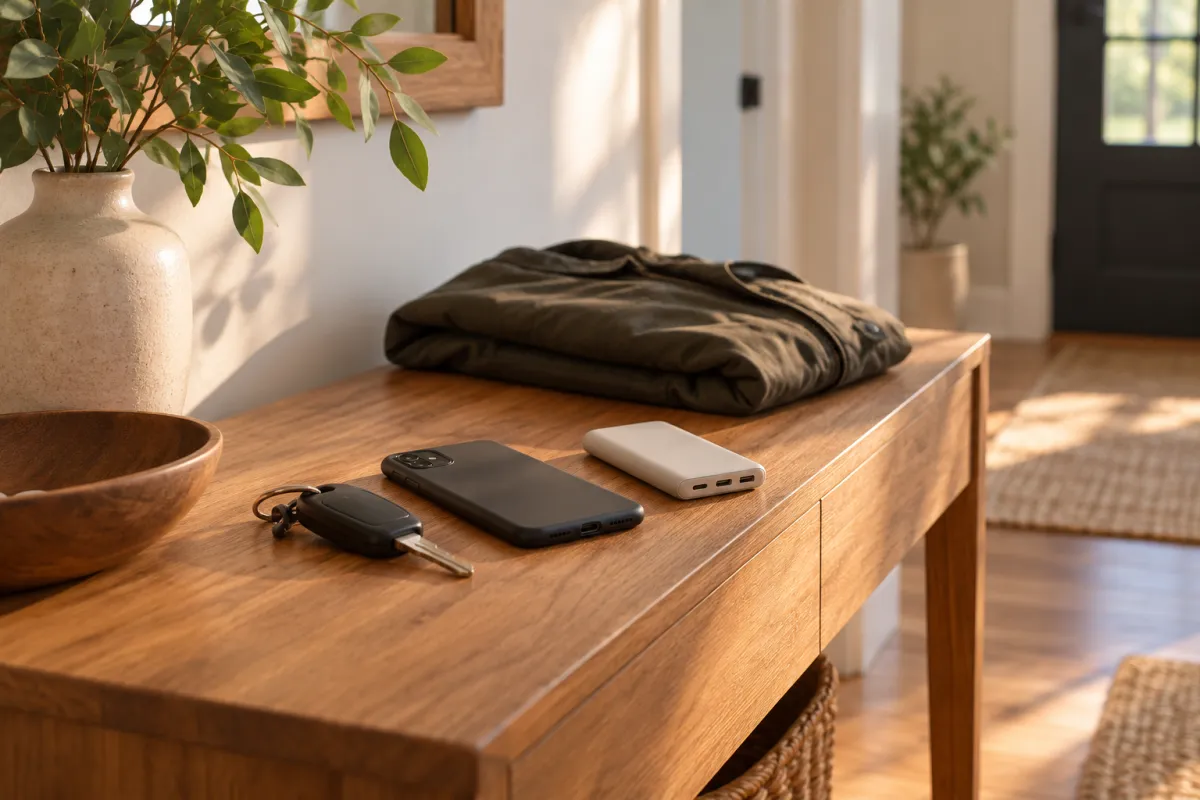
- Keep your bag, phone and keys on you rather than on a spare chair.
- Stick to the venue you agreed. If they suggest moving on, only say yes to another public place, and tell your friend first.
- Keep personal details light: no home address, no exact workplace, no account logins.
- Notice how they treat staff and how they react to small “no”s.
- Keep it short and leave while it’s still fun.
It’s normal for someone to be quieter or louder in person than on voice chat; plenty of people who are hilarious mid-match are shy face to face. What matters is whether they respect your boundaries, not whether they’re as chatty as their online self. Give the nerves a few minutes to settle before you judge the vibe, but never talk yourself out of a genuine bad feeling.
Red-flag table: signs to step back
One odd moment isn’t a verdict, but some signals are worth acting on. If you’re unsure, you don’t need to prove anything: you can simply leave.
| Red flag | What it might mean | What to do |
|---|---|---|
| They won’t video call, or the camera is always “broken” | They may not be who they say | Hold off meeting until they will |
| They look or sound clearly different from their photos | Possible catfish | You can leave straight away |
| They push to meet at theirs “to show you the setup” | They want a private space | Decline and suggest a public place |
| They insist on picking you up or driving you home | They want control of how you arrive and leave | Keep your own transport |
| They’re vague or evasive about their age | They may be a minor, or hiding something | Don’t meet until you’re sure they’re an adult |
| They ask for money, gift cards, items or your login | Possible scam | Refuse, stop chatting, report on the platform |
| They bring people you weren’t told about | The plan changed without you | Decide afresh; it’s fine to leave |
| They get annoyed that a friend knows where you are | They dislike you having a safety net | End the meetup |
| They keep pushing drinks on you | They may want your guard down | Switch to soft drinks or leave |
| They know things you never told them, like your address | They may have searched for you | Leave, tell your friend, consider reporting |
| They turn a friendly meetup into romantic or sexual pressure | They’re ignoring the plan you agreed | Say no clearly and leave if it continues |
If someone has made you feel unsafe, block them and report them using the platform’s tools, and give mutual friends in the server a heads-up if you’re comfortable doing so.
Scripts to leave early (no excuses needed)
You never owe anyone a reason for leaving. Having the words ready just makes it easier in the moment. For more options, see how to leave a bad date politely; the scripts work just as well for a friend meetup.
When it’s fine, just not your thing
- “This has been really nice. I’m going to head off now, but I’ll see you online.”
- “I said I’d only stay for a coffee, so I’ll make a move. Catch you in the next session.”
- “I’ve got things to sort at home, so I’m going to call it. Thanks for meeting up.”
When you’re uncomfortable
- “I’m going to leave now.” That is a complete sentence; you don’t need to add anything.
- “I’m not comfortable with that. I’m heading off.”
When they push on transport or location
- “Thanks, but I’ve already sorted my way home.”
- “I’m happy staying here. I’m not up for going anywhere else.”
- “No, I’d rather not go back to yours.”
A code for your friend
Agree something like “Did you remember to feed the cat?” as your signal for “ring me with an excuse”. Your friend calls, you say “Sorry, I need to go,” and you leave. If the person follows you out or keeps messaging after you’ve gone, head somewhere busy, tell staff and don’t go straight home until you feel settled.
If something feels wrong: Ask for Angela and emergency numbers
In many licensed venues in the UK and Ireland, you can go to the bar and ask for “Angela”. Trained staff will then help discreetly: separating you from the person, finding you a safe way home or calling the police if needed. It’s a UK and Ireland scheme, and not every venue takes part, so look for posters, often in the toilets. Our guide to how Ask for Angela works explains what to expect. Elsewhere, including in Australia, don’t rely on the code word being recognised: just tell any staff member plainly that you need help.
Staff in a café or board game café can help even without a formal scheme. Saying “I’m on a meetup that’s gone wrong, can I wait here while I sort a taxi?” is enough.
If you’re in danger, call the police. In the UK and Ireland the emergency number is 999, and in Great Britain you can call 101 for concerns that don’t need an emergency response (police.uk). In Australia, call 000 in an emergency or the Police Assistance Line on 131 444 for non-urgent matters (Victoria Police).
After the meetup: your follow-up checklist
- Text your friend once you’re home, not just when you leave the venue.
- Switch off live location sharing if you don’t need it any more.
- Decide how you feel. There’s no obligation to meet again, play together again or explain yourself.
- If it went well, keep the next few meetups in public places before anything at someone’s home.
- Ask before posting photos, and don’t tag your location while you’re still there.
- If they become pushy afterwards, mute or block them and report the account.
- If anything criminal happened, report it to the police, even if it feels minor.
And if you’d like to see them again, brilliant. Plenty of great friendships start in a game lobby, and following these safety tips for meeting a gaming friend in real life simply means the first chapter offline is relaxed rather than nerve-racking.
Want to turn this into an actual plan? MeetNow is a free app for meeting people in person: a host posts a plan at a public place, says who pays (host pays, split, pay your own or free) and picks who joins. It is live on the web and works in your browser, starting in Malta. The Android app is on Google Play; the iPhone app is not in the App Store yet. Open MeetNow and see the plans posted in Malta.
Frequently asked questions
Is it safe to meet a friend from an online game in person?
It usually goes well, especially if you plan it sensibly. Confirm who they are with a video call, make sure they’re an adult, meet in a busy public place, arrange your own transport both ways, tell a friend where you’ll be and keep the first meetup short. If anything feels off at any point, leave.
Should I video call a gaming friend before meeting them?
Yes. Voice chat tells you how someone sounds, not whether they match their photos. A short video call is a low-key way to confirm they are who they say they are, and someone genuine rarely minds. Repeated excuses about a broken camera are a reason to hold off.
Should you drive yourself to a first date or a first meetup?
Yes, or arrange your own taxi, ride-share or public transport. Getting there and back on your own means you can leave whenever you like and the other person doesn’t learn where you live. Politely turn down offers of a lift, even from someone who seems lovely.
What if my gaming friend wants to meet at their house?
Suggest a public place instead, such as a café or board game café, and keep it there for the first meetup. A friendly person will understand. If they keep pushing to meet somewhere private, treat that as a red flag and think again about meeting at all.
Can I bring a friend along to meet someone from Discord?
Yes, and it’s a good option if you’re nervous. Let the other person know beforehand so it doesn’t feel like an ambush, or suggest a small group meetup with others from the server. A group in a public place takes the pressure off everyone.
What should I do if they don’t look like their photos?
You’re allowed to leave. Say something simple like “Sorry, this isn’t what I expected, I’m going to head off,” and go. Afterwards, block them if you want to, and report the account on the platform if you think it’s fake.