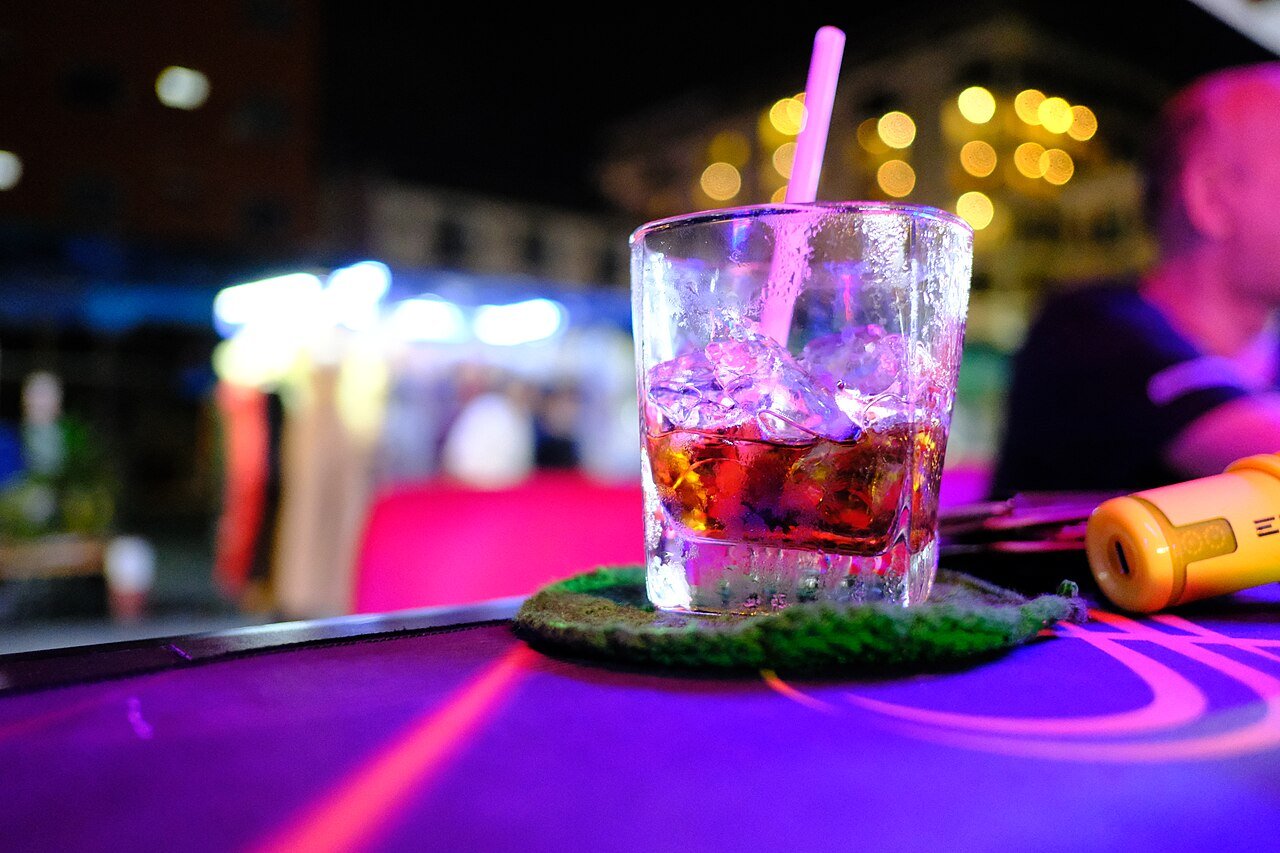
Drink spiking is when someone puts alcohol or drugs into your drink, or into your body some other way, without you knowing or agreeing. If you think it has happened, tell someone, get medical help and report it quickly.
If you or a friend suddenly feel far more drunk than your drinks explain, confused, sick, unsteady or sleepy, treat it as possible spiking: tell someone you trust and the venue staff, get medical help (999 in an emergency, NHS 111 for urgent advice), and report it to the police on 999 or 101 as soon as you can, because some drugs leave the body in under 12 hours. It is never your fault, and you will not get into trouble for drugs in your system.
This guide is written for anyone heading out to meet someone new, whether that is a first date, a group of strangers from an app or a work Christmas do. It covers the signs, what to do in the first hour, how the police test works, where the law stands in 2026, and a calm before, during and after checklist. Facts were checked against GOV.UK, the Home Office, legislation.gov.uk and Drinkaware in November 2026.
What drink spiking is (and isn’t)
The Home Office describes spiking simply: someone gives you alcohol or drugs without your consent. Most people picture a pill dropped into a glass, but in practice drink spiking covers a wider range of things:
- Extra alcohol. A double instead of a single, a shot of vodka in a soft drink, or a “weak” cocktail that isn’t. Drinkaware points out this is spiking too, and it is the version people most often dismiss.
- Drugs added to a drink. Sedatives, so-called “date rape” drugs such as GHB, prescription medicines or recreational drugs. Drinkaware notes these are often colourless, tasteless and odourless, and some leave the body quickly, which is why speed matters.
- Spiking by injection. NHS guidance also refers to people being injected with an unknown substance. It is less common than drink spiking but deserves the same response: medical help, then a report.
- Food, vapes and other routes. Anything you consume can be tampered with, including at house parties and private homes, not only in bars.
What drink spiking is not is a judgement on how much you chose to drink. GOV.UK is clear that you have the right to decide what goes into your body, that you should not have to change your behaviour to avoid being spiked, and that the responsibility lies entirely with the person who did it. Everything in the prevention sections below is about tilting the odds in your favour, not about blame.
Drink spiking signs and symptoms
Symptoms depend on what was used, how much, your size, and what you had already drunk. The Home Office’s spiking guidance lists these signs to look out for in yourself or someone you’re with:
- confusion and disorientation
- nausea and vomiting
- hallucinations and paranoia
- poor co-ordination and vision
- an inability to communicate clearly
- memory loss and blackouts
Drinkaware adds lowered inhibitions, loss of balance, feeling sleepy, visual problems and unconsciousness, and says most “date rape” drugs take effect within 15 to 30 minutes, with symptoms usually lasting several hours.
The single most useful rule of thumb: if you or a friend suddenly feel much more drunk than the drinks explain, or feel strange in a way that doesn’t match the night so far, act on it. You do not need to be sure it is spiking to ask for help. Staff, paramedics and police would far rather check and find nothing than find out later.

Red-flag table: spiking or just drunk?
You cannot diagnose spiking at the bar, and you don’t need to. This table is a quick way to decide when to stop second-guessing and get help.
| What you notice | Why it’s a red flag | What to do |
|---|---|---|
| Feeling very drunk after one or two drinks | Doesn’t match what you’ve had | Stop drinking, tell a friend and staff, get medical advice |
| A friend suddenly can’t speak clearly or stand | Fast change in a short time | Stay with them, ask staff for help, call 999 if it worsens |
| Your drink tastes odd, looks cloudy or fizzes unexpectedly | Possible tampering (though many drugs leave no trace) | Don’t finish it; ask staff to keep the glass |
| Gaps in memory from earlier in the night | Blackouts are a listed symptom | Report it, even the next morning |
| A sharp scratch or pinprick sensation, then feeling unwell | Possible spiking by injection | Seek medical help and report it |
| Someone you’ve just met is very keen to buy your drinks or “help you home” | Pressure plus isolation is a classic pattern | Stay with your group, decline, arrange your own way home |
| Someone drinks less than you but keeps topping you up | Uneven pace can be deliberate | Switch to drinks you order and collect yourself |
For behaviour that worries you before anything is ever put in a drink, our list of red flags on a first date covers the conversational warning signs too.
What to do if you think you’ve been spiked
Move through these steps in order. Do the first three even if you feel a bit silly.
- Tell someone you trust, now. A friend, the person you came with if you trust them, or a member of staff. Say it plainly: “I think my drink’s been spiked, I feel wrong.”
- Stop drinking alcohol and don’t take anything else. Water is fine if you can sip it safely.
- Get medical help. GOV.UK says to call 999 or 111 if you feel unwell; call 999 for an ambulance if symptoms are severe or getting worse (very drowsy, breathing problems, unresponsive). In Ireland call 112 or 999; in Australia call 000.
- Stay somewhere safe and public with people you trust. Don’t leave alone, and don’t accept a lift home from someone you’ve just met, however kind they seem.
- Report it to the police as soon as possible on 999 or 101, depending on how serious it is. Staff can help you call. Some forces also take online reports, and you can report anonymously.
- Ask about testing. The police test is the most reliable way to find out what happened (details in the police test section below).
- If you think you may have been sexually assaulted, you can go to a sexual assault referral centre (SARC) for medical care and a forensic examination whether or not you decide to involve the police. Rape Crisis England and Wales runs a 24/7 support line on 0808 500 2222.
GOV.UK also makes two reassurances worth repeating to anyone hesitant: it is not a crime to have illegal drugs in your system (unless you are driving), and if it happened at a house party you won’t get your hosts into trouble by reporting, unless they were the ones who did it.
How to help a friend who may have been spiked
A spiked friend may not be able to make good decisions for themselves, so you may need to make them for a while. Drinkaware and the Home Office agree on the basics:
- Tell security or a member of staff. Venues licensed to sell alcohol have duties around public safety and many train staff for exactly this.
- Stay with them and keep talking. Keep them sitting or, if very drowsy, lying on their side.
- Call an ambulance if their condition gets worse: unresponsive, struggling to breathe, fitting or vomiting while barely conscious.
- Don’t let them drink more alcohol.
- Don’t let them go home alone or leave with someone you don’t know or trust, and don’t put them in a taxi by themselves.
- Report it for them once they’ve been seen by medical staff. They may not be well enough to do it themselves.
- Check on them the next day. Memory gaps and anxiety are common afterwards; offer to go with them to report it if they haven’t.
If you are out as a group of new people, agree at the start who is heading which way at the end and that nobody leaves on their own if they feel off. Our group meetup safety tips include a simple buddy system that works even when people only met an hour ago.
If you see someone spike a drink
If you actually see a drink being tampered with:
- Tell the person straight away so they don’t drink it. Something as simple as “Don’t drink that, I think someone put something in it” is enough.
- Tell staff which person did it, so they can keep an eye on them and call the police.
- Stay to give evidence if you can. If you can’t, contact the police afterwards.
If you didn’t see anything but notice someone acting suspiciously around other people’s drinks, tell the staff anyway. And if you spot someone who looks spiked and seems to be on their own, offer help or ask staff to step in on their behalf.
Reporting and the police test, step by step
The Home Office explains what happens when you report spiking to the police:
- They’ll ask four main things: what happened, where, when, and whether you know who might have done it. It’s fine if you don’t remember much.
- They may take a non-invasive urine sample. Because some drugs leave the body in under 12 hours, testing early matters. Other drugs stay longer, so police may still take a sample up to 7 days after the incident.
- Results come back within about three weeks, and the police will go through them with you.
- The police test can detect over a hundred different drugs, which is why GOV.UK advises not to rely on home testing kits: they may be less effective and could weaken a case.
- Other evidence can include CCTV and witnesses, so report even if you think the drug will have gone.
If you don’t feel able to call the police, you can still get support. Victim Support’s free line is 0808 168 9111, and Rape Crisis is there 24/7 on 0808 500 2222 if anything else happened.

Is drink spiking illegal? The law in 2026
Yes. Spiking is already a crime across the UK, and Drinkaware notes it can carry a prison sentence of up to 10 years. Until now it has been prosecuted under older laws, such as the poisoning offences in the Offences Against the Person Act 1861, or more serious offences where spiking is linked to assault, rape or robbery.
The new piece of the picture is the Crime and Policing Act 2026, which became law in 2026. Section 134 replaces the 1861 wording with a modern offence of “administering etc harmful substances (including by spiking)”, with a maximum of 10 years’ imprisonment on indictment. The Home Office’s factsheet says the new wording is designed to cover spiking clearly, as well as things like being sprayed with a substance.
One important detail: section 134 is brought into force by separate commencement regulations, and when we last checked legislation.gov.uk (November 2026) it was still marked as prospective, meaning not yet in force. Check legislation.gov.uk or GOV.UK for the current position. That does not mean spiking is legal in the meantime. It means police and prosecutors use the existing offences until the new one starts. Either way, the advice is identical: report it.
- Ireland: spiking is a crime and should be reported to An Garda Síochána; in an emergency call 112 or 999.
- Australia: spiking is a criminal matter for state and territory police; call 000 in an emergency.
Before, during and after: a calm checklist
None of this is a rule you have to follow to “deserve” safety. It’s a set of habits that make life harder for anyone who might try something, and easier for you and your friends to act quickly.
Before you go out
- Charge your phone and save the venue address.
- Tell a friend where you’re going and who with; consider sharing your live location. Our guide to sharing your location before a date walks through iPhone, Android and WhatsApp.
- Plan your way home before you leave: last train, night bus or a booked licensed taxi.
- Agree a check-in time and a code word with a friend.
- Pick a busy, staffed venue if you’re meeting someone new.
During the night
- Order and collect your own drinks; watch them being poured where you can.
- Keep your drink with you, or have a trusted friend hold it. If you’ve left it unattended, get a fresh one.
- Bottles with a stopper or covers can help, but Drinkaware notes test kits don’t detect every drug or extra alcohol, so treat them as an extra, not a guarantee.
- Pace yourself and alternate with soft drinks; it keeps your judgement sharper and makes an unexpected change easier to notice.
- Look out for each other. If a friend changes suddenly, act.
- Know the venue’s help schemes. Many UK and Irish venues train staff in Ask for Angela, a discreet way to get help from bar staff.
Afterwards
- Text your check-in friend when you’re home.
- If something felt wrong, report it, even the next day; testing may still be possible for up to a week.
- Write down what you remember: times, places, who bought which drinks.
- Talk to someone. Spiking is frightening even when nothing else happens, and support services exist for exactly this.
Drink spiking when meeting someone new
Most spiking happens in bars, clubs and parties, and meeting a stranger from an app or a new group puts you exactly there, with people whose habits you don’t yet know. Our full checklist for meeting someone from the internet safely covers the whole process; for drinks specifically, a few adjustments make a big difference:
- Meet in a busy public place with staff around, rather than someone’s flat for a first meeting.
- Make your own way there and back. It keeps the exit in your hands.
- Keep the first meeting short and daytime-friendly if you’re unsure: coffee, a walk, a gallery. Less alcohol, fewer opportunities.
- Buy your own round, or go to the bar together. “I’ll grab mine, what are you having?” is completely normal.
- Trust the uneasy feeling. If someone is pushy about drinks, wants you to leave with them quickly, or tries to separate you from your group, that is reason enough to go. Here’s how to leave a bad date politely without a scene.
Group plans have a safety advantage built in: more eyes on drinks and on each other. That is part of why plans at public places with a known group of people work well for first meetings.
Scripts for the awkward moments
Having the words ready makes it far easier to act.
- Declining a drink: “Thanks, I’m fine, I’ll get my own when I’m ready.”
- After leaving your glass: “I left that one, I’m just going to get a fresh one.”
- To a friend: “I feel way more drunk than I should. Can you stay with me and come to the bar with me?”
- To staff: “I think my drink’s been spiked. Can you help me get medical help and keep the glass?”
- To the person you met: “I’m not feeling great, so I’m heading off with my friend. Take care.” You owe no more explanation than that.
- To the police on 101: “I want to report a suspected spiking from last night at [venue]. Can I get tested?”
Frequently asked questions (FAQ)
How long after drink spiking do symptoms start?
Drinkaware says most “date rape” drugs take effect within 15 to 30 minutes, and symptoms usually last several hours. Extra alcohol can work just as quickly. If you notice a sudden change, act on it rather than waiting.
Can you test for drink spiking yourself?
Home test strips exist, but they don’t detect every drug or added alcohol. The Home Office advises relying on the police test, which can detect over a hundred drugs, and reporting as early as possible.
How long do spiking drugs stay in your system?
Some drugs leave the body in less than 12 hours, while others last longer. That’s why police want early reports, though they may still take a urine sample up to seven days after the incident.
Will I get in trouble if I had taken drugs myself?
No. GOV.UK states it is not a crime to have illegal drugs in your system unless you are driving, and urges people not to let that stop them reporting.
Is spiking a specific offence in the UK now?
The Crime and Policing Act 2026 creates a modern offence covering spiking, but it starts only when commencement regulations bring it into force; as of November 2026 legislation.gov.uk listed it as not yet in force. Spiking is still a crime under existing laws in the meantime.
What should I do the morning after if I think I was spiked?
Call 101 to report it and ask about testing, get medical advice from NHS 111 if you feel unwell, and write down what you remember. If you think you were sexually assaulted, a SARC can help whether or not you report.
Can men be spiked?
Yes. The Home Office stresses that spiking can happen to anyone, whatever their gender, and that nobody should feel embarrassed about reporting it.
Want to turn this into an actual plan? MeetNow is live on the web (it works in your browser), starting in Malta: a host posts a plan at a public place, says who pays (host pays, split, pay your own or free) and picks who joins. Open MeetNow and see the plans posted in Malta.
Sources (last checked November 2026)
- Home Office: Spiking advice and support (GOV.UK)
- Crime and Policing Act 2026, section 134 (legislation.gov.uk)
- Ministry of Justice: spiking factsheet
- Drinkaware: Drink spiking and date rape drugs
- Rape Crisis England and Wales support line
- Featured photo: a drink on a bar at night, by PattayaPatrol, Wikimedia Commons, CC BY-SA 4.0