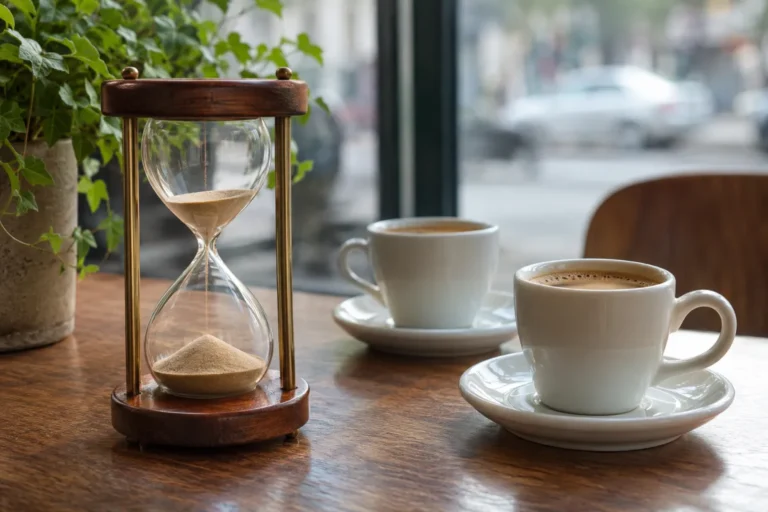
The best questions to ask on a friend date are not clever. They are easy to answer, a little bit specific and leave room for a story. ‘What do you do?’ gets you a job title. ‘What’s the best bit of your week, usually?’ gets you a person. That small shift is most of what this guide is about.
Below are 60 questions sorted by stage of the meetup and by setting, plus worked example dialogues showing how one question turns into an actual conversation. They work whether you met through a friendship app, a running club group chat or a mate who said ‘you two would really get on’. Print the lists, screenshot them, or just pick three to keep in your back pocket.
A friend date carries less romantic pressure than a first date from a dating app, but it has its own awkwardness: there is no script, and you are both quietly wondering whether this could become a proper friendship. Good questions take the edge off because they give you both something to do with your hands, metaphorically speaking.
How to use these questions without it feeling like an interview
Nobody wants to sit opposite someone reading from a list. The trick is to treat questions as doors rather than a checklist: you open one, wander through it together for a while, and only reach for another when the room runs out of furniture.
The three-stage shape of a good friend date
- Warm-up (first 15 to 20 minutes): light questions about the place, the week and how you each ended up here. Low stakes, easy wins.
- Settling in (the middle): hobbies, routines, favourite places, what a good weekend looks like. This is where you find out if you have things in common.
- Deeper (only if it clicks): one or two questions about values, change or what matters to them. Optional, never forced.
The one-question, two-follow-ups rule
For every question you ask from a list, aim for two follow-ups that come from their answer. If they say they have just started bouldering, the follow-ups are ‘What got you into it?’ and ‘Is it as sore the next day as everyone says?’ Follow-ups show you were listening, and they are what make a chat feel natural rather than scripted.
Answer your own questions
A friend date is a swap, not an audition. After they answer, offer your own version: ‘I’m the same, I always panic-order the first thing on the menu.’ If you are quieter by nature, our list of easy conversation topics for introverts has prompts that let you share without having to perform.
Back-pocket three: before you leave the house, pick one warm-up question, one settling-in question and one setting question from the lists below. That is genuinely all you need. The rest is backup.
Warm-up questions for the first 20 minutes
These are designed to be answerable by someone who is a bit nervous, a bit late and still taking their coat off. Nothing here requires a deep thought or a personal reveal.
- Have you been here before, or is it new to you too?
- What’s good here? I always panic-order.
- How’s your week been so far, honestly?
- How did you end up in the running club / on the app / in that group chat?
- Are you from round here originally, or did you move?
- What’s your favourite thing about the area you live in?
- What did you get up to last weekend?
- Have you got anything you’re looking forward to this month?
- Are you a morning person or a slow starter?
- What’s the last thing you watched that you’d actually recommend?
- What does a normal weekday look like for you?
- Is meeting someone new like this a usual thing for you, or a first?
- What’s the best thing you’ve eaten recently?
- Do you have a go-to café or pub you’d take a visitor to?
- What made you say yes to meeting up?
Why these work: they are anchored in the present and the local. People find it much easier to talk about last weekend or their favourite café than about ‘themselves’ in the abstract. Number 12 is a quiet gem: if you are both admitting it is a first, the awkwardness instantly becomes something you share.
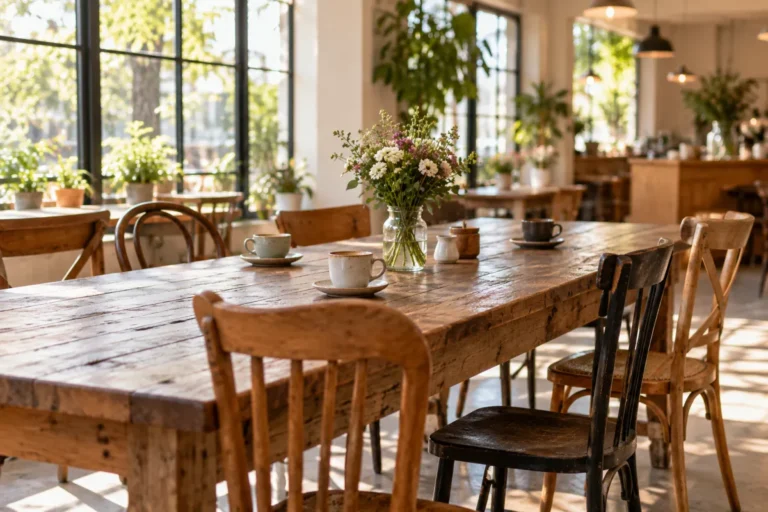
Questions to ask on a friend date once you’ve settled in
Once the drinks have arrived and you have both relaxed a notch, you can move from ‘what’s happening’ to ‘what you’re like’. These questions to ask on a friend date are about interests, routines and the shape of someone’s life, which is exactly what you need to know to work out whether you would enjoy hanging out again.
- What do you do with a completely free Saturday?
- What’s a hobby you’ve picked up as an adult?
- Is there something you’ve always wanted to try but never found anyone to do it with?
- What’s the best trip you’ve taken, and what made it so good?
- What are you weirdly good at?
- What did you love doing as a kid that you’d still happily do?
- Are you more of a big group person or a one-on-one person?
- What’s the last thing that made you properly laugh?
- What’s something you’re a bit obsessed with at the moment?
- Which of your friends knows you best, and how did you meet them?
- What’s a small thing that makes a week feel good for you?
- What’s your favourite way to switch off after work?
- What’s a place in this city you think is underrated?
- Is there a podcast, book or show you keep recommending to people?
- What would your ideal Sunday look like, start to finish?
Number 18 is worth singling out. It is the most useful question on the whole list, because it quietly opens the door to a second meetup: if they say ‘I’ve always wanted to try a pottery class’, you have your next plan. For lighter, sillier options to mix in, our collection of fun questions to ask new friends is sorted by situation.

Deeper questions for when it clicks
You will know when you have reached this stage: the conversation is flowing, you have both laughed a few times, and nobody is checking their phone. That is the moment for one or two of these. Not all ten. Offer your own answer first if the question is a personal one, so it feels like an invitation rather than an interrogation.
- What’s something you’ve changed your mind about in the last few years?
- What’s been the best part of the stage of life you’re in?
- What do you value most in a friend?
- What’s something you’re proud of that wouldn’t go on a CV?
- Who’s had the biggest influence on how you see the world?
- Is there a goal you’re quietly working towards?
- When do you feel most like yourself?
- What do people sometimes get wrong about you on first impressions?
- Have you found it easy or hard to make friends as an adult?
- What would you love more of in your life this year?
Read the room: if a deeper question gets a short answer or a change of subject, take it as a polite ‘not yet’ and drift back to lighter ground. Number 39 in particular can be tender for people who have recently moved or lost touch with old friends, so pair it with your own honest answer.
Questions by setting: coffee, walks, rainy days and evenings
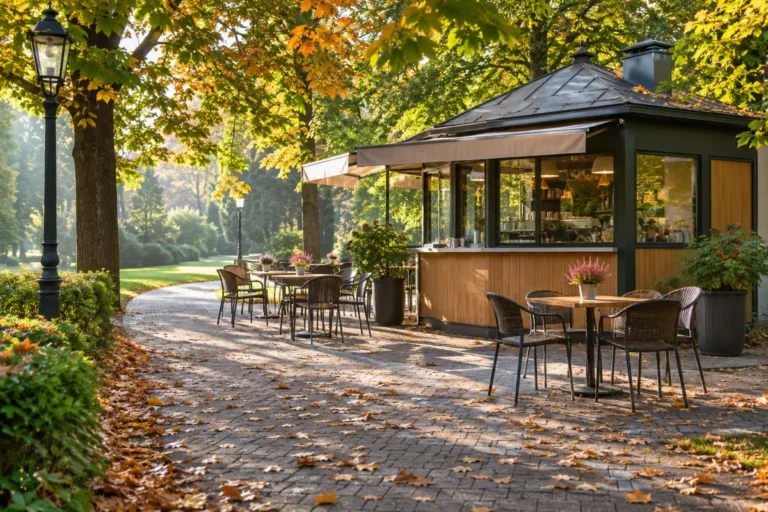
The easiest questions are often the ones the setting hands you. A good plan gives you something to look at, react to or do together, which takes pressure off the talking.
Over coffee or brunch
- Sweet or savoury breakfast, and are you prepared to defend it?
- What’s the best café you’ve found since living here?
- At weekends, are you a planner or a ‘let’s see what happens’ person?
- If you could swap lives with anyone in this café for a day, who would you pick?
On a walk
- Do you have a favourite walk around here?
- Are you properly outdoorsy or more of a ‘nice view from a café’ person?
- What’s the best place you’ve ever been for a walk or a hike?
- Is there any exercise you genuinely enjoy, rather than just tolerate?
Walking side by side is brilliant for quieter people because you do not have to hold eye contact, and natural pauses feel comfortable rather than awkward. Just pick a busy, well-used route rather than somewhere remote.
Rainy day first date ideas (and what to ask at each)
Weather in Dublin, Manchester or Melbourne has a habit of cancelling the park plan at short notice. These rainy day first date ideas work just as well for new friends, and each comes with a question that the activity sets up for you.
| Indoor plan | Why it works | Question to ask there |
|---|---|---|
| Museum or free gallery | Built-in talking points, easy to leave at any time | 49. Which room would you happily spend a whole afternoon in? |
| Board game café | Games fill silences and show how someone plays | 50. Are you competitive, or do you just say you aren’t? |
| Bookshop browse, then coffee | Relaxed, low-cost, very introvert friendly | 51. What’s a book you’d press on a friend? |
| Pottery, painting or craft class | Shared task, laughing at wonky results | 52. Are you a ‘follow the instructions’ person or a rebel? |
| Cinema matinee | Something to discuss straight afterwards | 53. What did you think of the ending, honestly? |
| Indoor climbing or bouldering wall | Active, encouraging, good for nervous energy | 54. What’s the most adventurous thing you’ve ever done? |
If the forecast looks grim for the whole season, our guide to cosy winter first date ideas has more indoor plans that suit friends as much as dates.
Early evening plans
If you were searching for first date ideas at night, the friend-date version is usually an early evening plan: a pub quiz, a late-opening gallery or an evening cookery or language class, wrapped up while public transport is still running easily. Each gives you a ready-made question.
- At a quiz: what’s your specialist subject, and which round is your nemesis?
- At a class: have you done anything like this before, or are we both winging it?
- At a gallery late opening: which piece would you actually hang in your flat?
Worked example dialogues
Lists are only half the story. Here is how a single question can carry ten minutes of conversation when you follow up and share your own side.
Example 1: a coffee with someone from a friendship app
You: How did you end up on the app, if you don’t mind me asking?
Them: I moved from Cork about six months ago and realised all my friends here are work friends.
You: Oh, that’s a big move. What made you pick here?
Them: The job, mostly. I like it, but weekends can be a bit quiet.
You: I get that. When I first moved I spent about three weekends in a row just walking round supermarkets. What do you usually end up doing on a free Saturday?
Them: Honestly, a lot of parkrun and then a long brunch.
You: No way, I’ve been meaning to try parkrun for ages.
What happened: one warm-up question (number 4), two follow-ups from their answer, one honest bit of sharing, then a settling-in question (number 16) that landed on a shared interest. That is the whole method.
Example 2: rescuing a lull at a board game café
(A pause after the waiter takes the order.)
You: Right, important question before we pick a game. Are you competitive, or do you just say you aren’t?
Them: I’m going to say I’m not, and then I’m going to destroy you.
You: Noted. Were you like this as a kid?
Them: Monopoly was banned in our house after an incident.
You: I need the full story.
What happened: the setting supplied the question, and a playful answer opened a childhood story. When silence creeps in, reaching for something in front of you is almost always easier than reaching for a big topic. For more rescue lines, see our guide on how to avoid awkward silence.
Example 3: going deeper gently on a walk
You: Can I ask a slightly bigger one? I was thinking about this the other day: what’s something you’ve changed your mind about in the last few years? For me it’s living alone. I used to dread it and now I love it.
Them: Hmm. Probably that I don’t need a five-year plan. I used to have everything mapped out.
You: What changed?
Them: A job fell through and it turned out to be the best thing that happened to me.
What happened: you flagged that the question was bigger, answered it first, and then simply asked ‘What changed?’ Deeper questions land better when you go first and keep the follow-up short.
Questions to skip or save for later
None of these are forbidden forever. They are just better once there is some trust, or when the other person brings them up first.
| Topic | Why to hold off | Try instead |
|---|---|---|
| Salary or rent | Feels like sizing someone up | ‘Do you enjoy what you do?’ |
| Relationship status, kids plans | Can feel intrusive or confusing on a friend date | Let them mention partners or family naturally |
| Politics or religion, head-on | High stakes before you know each other | ‘What’s something you care a lot about?’ |
| ‘Why haven’t you got many friends here?’ | Sounds like a judgement | ‘Have you found it easy to meet people here?’ |
| Exes or friendship fallouts | Drags the mood down early | ‘Which of your friends knows you best?’ |
| Their exact address or daily routine | Feels uncomfortable, especially for women meeting someone new | ‘What do you like about your area?’ |
The last row works in both directions. You do not need to share your street, your workplace or your gym timetable on a first meetup either. ‘Over near the river’ is a perfectly friendly answer.
A quick safety checklist for meeting a new friend
Most friend dates are simply pleasant, and a few sensible habits keep it that way. None of this means you expect anything to go wrong; it just means you can relax and enjoy the conversation.
- Meet in a public place with other people around, such as a café, a busy park path or a gallery.
- Tell a friend who you are meeting, where and roughly when you expect to be done.
- Get yourself there and home on your own terms, whether that is public transport, your own car or a taxi you book yourself.
- Keep your drink and your bag with you, and order for yourself.
- Leave if you feel uncomfortable. You do not owe anyone an explanation or the rest of the coffee.
If you are in a pub, bar or restaurant and something feels off, the Ask for Angela scheme gives you a discreet way to get help: you can approach a member of staff, such as a bartender or manager, and ask for ‘Angela’ (Metropolitan Police). Trained staff can then take you to a private area, help you contact a friend, call a taxi or, if needed, involve security or the police (National Pubwatch). Not every venue takes part, so if you see no posters, telling staff plainly that you need help works too. Our full explainer on how Ask for Angela works in the UK, Ireland and Australia covers what to expect.
How to wrap up and suggest meetup number two
The end of a friend date is where a lot of potential friendships quietly fizzle, simply because nobody suggested a next step. If you enjoyed it, say so, and use a question to make the next plan feel easy.
- This has been really fun. Fancy doing it again?
- Is there something you’ve been meaning to try that we could do next time?
- Are weekends or weekdays usually better for you?
Question 59 is where number 18 from earlier pays off: ‘You mentioned that pottery class, shall we actually book it?’ is a far warmer close than a vague ‘we should do this again sometime’.
If it did not click, that is fine too. Friendship chemistry is not guaranteed, and a kind, clear exit is better for both of you. Something like ‘It was lovely to meet you, thanks for coming out, I’d better head off’ does the job. For more options, our list of polite ways to end a conversation has lines for every situation.
Printable recap: one warm-up question, one settling-in question, one setting question, two follow-ups each, share your own answers, and finish with a concrete next plan or a kind goodbye.
Want to turn this into an actual plan? MeetNow is a free app for meeting people in person: a host posts a plan at a public place, says who pays (host pays, split, pay your own or free) and picks who joins. It is live on the web and works in your browser, starting in Malta. The Android app is on Google Play; the iPhone app is not in the App Store yet. Open MeetNow and see the plans posted in Malta.
Friend date FAQ
How many questions should I prepare for a friend date?
Three to five is plenty. Pick one warm-up question, one about interests and one tied to the setting, then let follow-ups do the rest. Having sixty questions to hand is reassuring, but you will rarely use more than a handful in a real conversation.
Is it weird to call it a friend date?
Not at all. Plenty of adults use the phrase because it makes intentions clear: you are meeting to see whether you would get on as friends, not romantically. If the term feels odd, ‘coffee to see if we click’ says the same thing.
What if the other person doesn’t ask me anything back?
Nerves often make people forget to return questions. Share your own answers anyway, as in ‘I’m the same, actually’, which gives them an easy cue. If it stays one-sided for the whole meetup, that tells you something useful about whether you want a second one.
How long should a friend date last?
For coffee or a walk, around an hour to an hour and a half is a comfortable length: long enough to get past the small talk, short enough to leave you both wanting more. Activity plans like a class or a game can run longer because the activity carries part of the time.
What are good rainy day first date ideas for friends?
Museums and free galleries, board game cafés, a bookshop browse followed by coffee, a craft or pottery class, a cinema matinee or an indoor climbing wall all work well. Each gives you something to react to together, which makes conversation easier than sitting face to face with nothing to look at.